
Corrosive Liquid Dosing Pump Projects: Spec to Acceptance
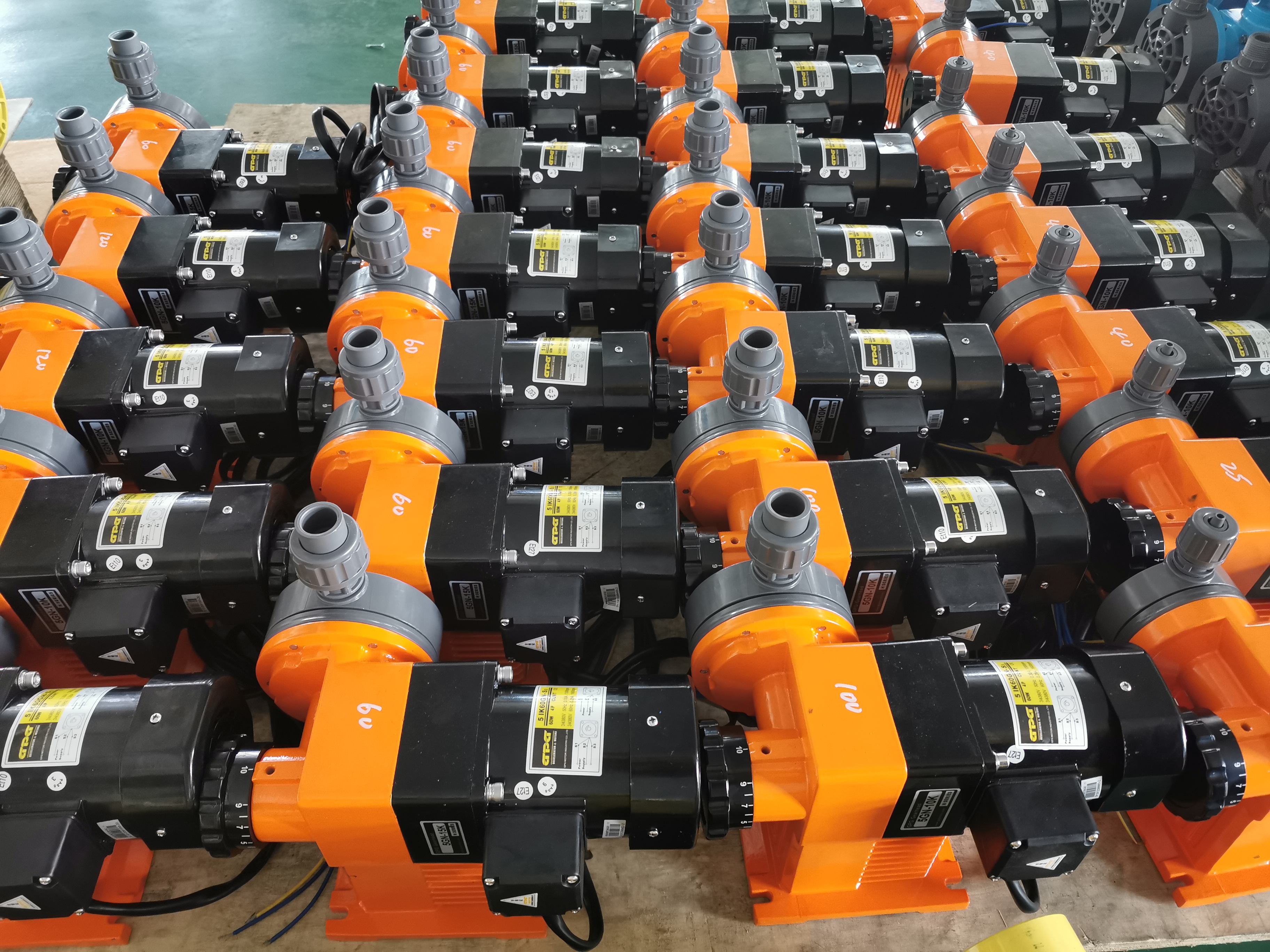
A corrosive liquid dosing project moves from specification to acceptance through four controlled documents: a fluid data sheet, a wetted-material decision record, a pump-architecture justification, and an acceptance protocol that matches the purchase order clause by clause. Where those four exist, the technical argument is usually short. Where they are missing, the pump becomes the place where every unresolved assumption surfaces — after the pipe is welded and the tank is full.
This guide follows that chain in sequence for projects handling strong corrosive liquids. The model data, material guidance and commercial terms used here come from WRS PTE LTD, a dosing equipment manufacturer whose range covers metering pumps, solenoid dosing pumps, diaphragm dosing pumps, piston dosing pumps, digital dosing pumps, dosing pump check valves, dosing pump pulse dampeners, chemical dosing systems, streaming current monitoring systems and chemical injection pumps.
Why corrosive dosing projects break between specification and handover
Corrosive duty punishes vague specifications faster than it punishes hardware. Three failures repeat across projects.
Material chosen by habit. A pump head is often selected because it was used on the last project, not because it was matched to this medium. The stated WRS position is direct: different media have different materials available for selection, and for highly corrosive media a PVDF pump head material is recommended. That is a starting recommendation, not a substitute for a written compatibility confirmation covering concentration and temperature.
Sizing done on nominal flow. The sizing sequence that WRS states begins with flow rate as the most important parameter, compared against the maximum flow rate at the site — not the average or the design average. Pressure, pump head material and motor are then refined around that flow figure. A pump sized on an average will run at its limit on the day the process actually needs the maximum.
Acceptance treated as a visual check. When the delivery is accepted on arrival inspection alone, the first real performance test happens in production. Because a corrosive medium gives little warning before a seal, diaphragm or check valve is compromised, that test is expensive.
There is also a narrower, more common symptom worth recognising early. When discharge flow rate drops or becomes unstable on an installed dosing pump, WRS troubleshooting guidance points to a blocked inlet or outlet as the cause, with the correct action being to check the strainer, tubing and valves, then clean or replace the affected part. That single failure mode is worth writing into the operating procedure, because it is the one most often misdiagnosed as a pump fault.
What market context does and does not tell you
Published market research supports the general expectation that diaphragm-based dosing dominates chemical service. Grand View Research estimated the global dosing pump market at USD 8.86 billion in 2024 with a projection to USD 13.96 billion by 2033, and placed diaphragm pumps at a 55.7% revenue share of that market in 2024. Both figures are commercial research estimates and should be quoted as such, not as audited statistics.
Two cautions follow from that context.
First, a portfolio range is not a model rating. Pulsafeeder, for example, publishes a diaphragm metering pump portfolio spanning fractional gallons per day to 2,292 GPH and 80 to 3,625 psi. Those numbers describe the outer boundaries of a catalogue; a single pump on your project sits somewhere inside that envelope with its own flow, pressure and material limits. Specifications must be written at model level.
Second, standards cited in a tender may not apply to your machine. ISO 15783:2026, effective 15 September 2026, specifies requirements for seal-less rotodynamic pumps used mainly in chemical processes, water treatment and petrochemical industries. A rotodynamic seal-less pump is a different machine class from a positive-displacement dosing pump, so a package document that cites ISO 15783 is not automatically specifying the dosing pump. Check which line item the requirement belongs to before accepting it as a dosing pump criterion.
Customs classification has a similar effect on sourcing analysis. Reciprocating positive displacement pumps are grouped under HS 841350 in UN Comtrade classification, a category broader than dosing pumps alone, so published trade data rarely isolates this product segment. Importers should confirm classification with their own customs broker rather than assuming a tariff line from a pump description.
Step 1 — Write the fluid data sheet before the pump data sheet
The first deliverable of a corrosive liquid project is not a pump selection; it is a fluid data sheet that the process owner signs. Until it exists, every pump discussion is provisional.
- Medium and concentration — the exact chemical name and the operating concentration range, including the worst credible excursion.
- Temperature range — minimum, normal and maximum, because temperature changes both material behaviour and viscosity.
- Required flow — the maximum flow the site can demand, which is the figure WRS uses as the primary selection parameter.
- Discharge pressure — the pressure at the injection point, not the pump outlet, including static head and any line losses.
- Duty pattern — continuous, batch or intermittent, and whether the pump runs around the clock.
- Site environment — indoor or outdoor, humidity, corrosion atmosphere and the enclosure protection expected.
- Utilities and control — available voltage, whether a variable-frequency or explosion-proof motor is required, and the control signal the plant control system can issue.
- Connected piping and tank — the materials upstream and downstream, since the dosing pump is one component in a wetted chain.
Note how much of that list has nothing to do with the pump. That is the point. On a corrosive project the pump is the last decision, not the first.
Step 2 — Record the wetted-material decision, with a reason attached
Material selection is where corrosive projects are won or lost, and it deserves its own line in the project file rather than a footnote on a datasheet.
The WRS material position is consistent across the corrosion-related guidance: media differ, so available materials differ, and for highly corrosive media PVDF is the recommended pump head material. Around that recommendation, the supplied model data shows how the option set actually varies by family.
- Solenoid dosing pumps — EML0020PR1C and ML0008PR1C are both listed with PVC, PVDF and SS316 options, and both are described as using anti-corrosion materials.
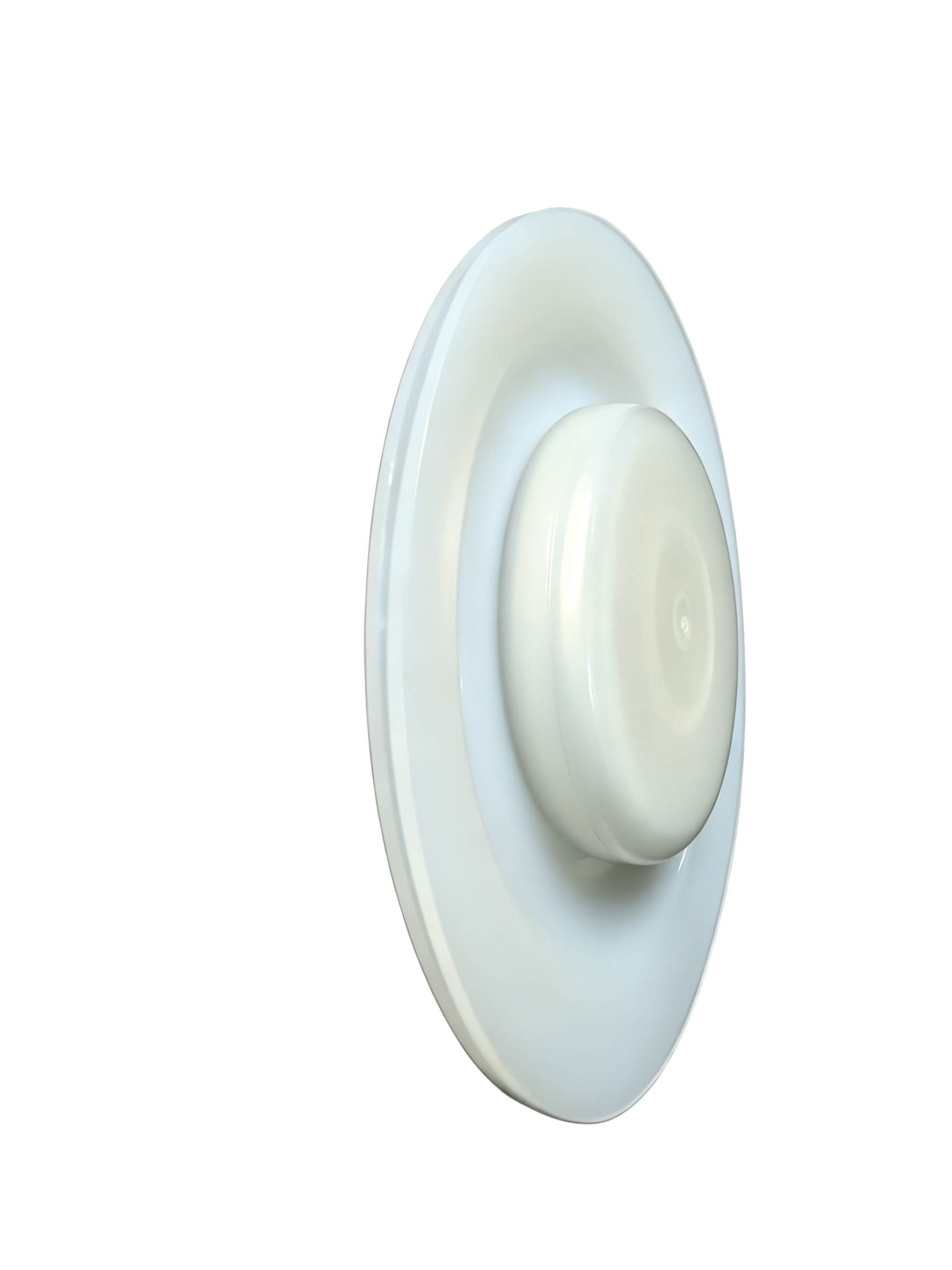
- Mechanical diaphragm pumps — MG0150PQ11 and MA0120PQ11 are listed with PVC, PVDF and SS316, and both are described as specially designed for handling corrosive liquids, with a multiple-layer diaphragm intended for longer service life.
- Digital dosing pumps — EMGP0200FP1C is listed with PVC, PVDF and SS316; EMAP1000PQ1C is listed with PVC and PVDF. Both are described as using a full PTFE diaphragm with strong corrosion resistance.
- Piston and hydraulic pumps — PM060SS1PFN11, PD105SS1PFN11, HL090S0P01F11 and HS008S0P01S11 are listed in SS316.
Two practical readings follow. First, a stainless option on a pump family does not make it the corrosive choice by default; the stated recommendation for highly corrosive media points to PVDF, and the SS316 listings apply where the medium and conditions suit them. Second, the diaphragm itself is a wetted material. PTFE and multiple-layer diaphragm construction belong in the decision record alongside the pump head, because diaphragm life is what determines maintenance intervals on a corrosive line.
What the decision record should contain: medium and concentration band, temperature band, selected wetted materials (head, diaphragm, valve and seal), the supplier confirmation reference, the person who approved it, and the date. One page. It is the document you produce when the first diaphragm is replaced and someone asks why it was specified that way.
Step 3 — Justify the architecture, not just the model number
Most corrosive projects have two or three technically workable architectures. The useful question is not which is superior in general, but which one the project can support with its flow, pressure, control and maintenance resources.
Solenoid dosing pumps: low flow, tight control
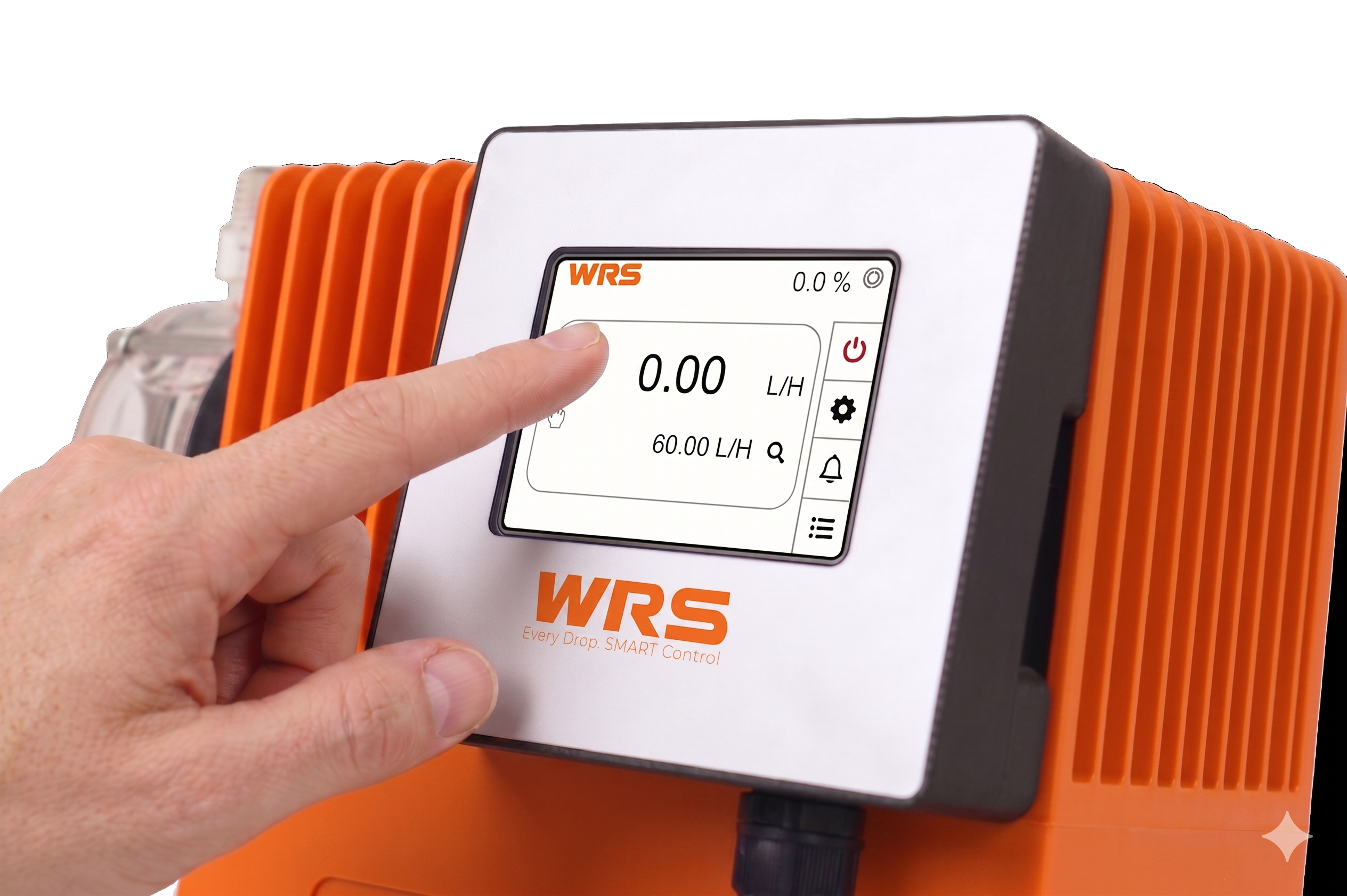
The solenoid family covers the low-flow end. EML0020PR1C is listed at 1–20 L/h and 1–10 bar with remote control through 4–20 mA, pulse signal and Modbus RS-485, a direct flow rate display, IP65 protection and a stated 1% dosing accuracy. Its double-ball check valve design is used on both inlet and outlet, which the manufacturer states increases discharge accuracy. ML0008PR1C occupies the same flow and pressure band with manual control in both running and idle modes and IP65 protection, and is supplied with PE tube, foot valve, weight, injection valve and safety valve. For a low-flow corrosive additive with a fixed recipe, the manual unit can be sufficient; where the plant control system must trim the dose, the remote-control model is the relevant option.
Mechanical diaphragm pumps: the mid-flow workhorse
MG0150PQ11 is listed at 15–150 L and 5–10 bar, and MA0120PQ11 at 15–500 L and 5–10 bar, both in PVC, PVDF or SS316. Both are described with smooth flow rate adjustment in running and idle conditions, controllable flow at working and non-working states, easy parts replacement and a multiple-layer diaphragm. MA0120PQ11 adds the availability of frequency and explosion-proof motors — relevant where the installation is in a hazardous area or the flow must be trimmed by motor speed rather than by stroke adjustment.
Digital dosing pumps: where the setpoint lives in the controller
EMGP0200FP1C is listed at 200 L/h and 4 bar with an Rc 1/2" thread connection and 220 V/1P/60 W power; EMAP1000PQ1C at 1000 L/h and 4 bar with a DN25 socket connection and 220 V/1P/20 W. Both carry IP65 protection, 4–20 mA / pulse / Modbus RS-485 remote control, a ratio rate of 1:1000 and a stated precision of less than 1%. The very low power draw of EMAP1000PQ1C relative to its flow is worth noting at specification stage, because it changes the electrical supply requirement for the panel.
Piston dosing pumps: higher flow at moderate pressure
PM060SS1PFN11 and PD105SS1PFN11 are both listed at 600 L/h and 8 bar in SS316, and the difference between them sits in connection and drive: DN25 flange with a 0.75 kW motor for the PM model, DN50 flange with a 4.0 kW motor for the PD model. That pairing is a useful reminder that two models can share a flow and pressure headline and still be different specification lines once piping and power are costed. Both are described as suitable for high-viscosity pumping and optimised for high-accuracy dosing.
Hydraulic metering pumps: the widest span, and the zero-leakage argument
The hydraulic family covers both ends of the envelope. HS008S0P01S11 is listed at 2 L/h and 200 bar with a DN6 bevel-end welding tube connection and a 0.37 kW motor; HL090S0P01F11 at 1600 L/h and 6 bar with a DN50 flange and a 1.5 kW motor. Both are listed in SS316, described with a zero-leakage design, suitability for toxic and hazardous media, robust high-efficiency operation, high-viscosity capability and an optional diaphragm rupture sensor, with frequency and explosion-proof motors available. On a corrosive or hazardous duty where a leak path is the main risk, the rupture sensor option is a specification decision, not an accessory afterthought.
Where the four families sit against each other
The table below places the listed WRS model data side by side. It is a specification aid, not a ranking: each row answers a different duty.
| Pump family | WRS example model | Listed flow | Listed pressure | Wetted materials listed | Specification notes |
|---|---|---|---|---|---|
| Solenoid dosing pump | EML0020PR1C | 1–20 L/h | 1–10 bar | PVC, PVDF, SS316 | 4–20 mA, pulse and Modbus RS-485; IP65; double ball check valve on inlet and outlet; stated 1% dosing accuracy |
| Solenoid dosing pump, manual | ML0008PR1C | 1–20 L/h | 1–10 bar | PVC, PVDF, SS316 | Manual flow control in running and idle modes; IP65; supplied with PE tube, foot valve, weight, injection valve, safety valve |
| Mechanical diaphragm | MG0150PQ11 | 15–150 L (as listed) | 5–10 bar | PVC, PVDF, SS316 | Multiple-layer diaphragm; power input according to customer request; described as designed for corrosive liquids |
| Mechanical diaphragm | MA0120PQ11 | 15–500 L (as listed) | 5–10 bar | PVC, PVDF, SS316 | Frequency and explosion-proof motors available; easy parts replacement |
| Digital dosing pump | EMGP0200FP1C | 200 L/h | 4 bar | PVC, PVDF, SS316 | Rc 1/2" thread; IP65; full PTFE diaphragm; stated precision below 1%; ratio rate 1:1000 |
| Digital dosing pump | EMAP1000PQ1C | 1000 L/h | 4 bar | PVC, PVDF | DN25 socket; IP65; 220 V/1P/20 W; full PTFE diaphragm |
| Piston dosing pump | PM060SS1PFN11 | 600 L/h | 8 bar | SS316 | DN25 flange; 0.75 kW motor; frequency and explosion-proof options |
| Piston dosing pump | PD105SS1PFN11 | 600 L/h | 8 bar | SS316 | DN50 flange; 4.0 kW motor; frequency and explosion-proof options |
| Hydraulic metering pump | HL090S0P01F11 | 1600 L/h | 6 bar | SS316 | DN50 flange; 1.5 kW; zero-leakage design; optional diaphragm rupture sensor |
| Hydraulic metering pump | HS008S0P01S11 | 2 L/h | 200 bar | SS316 | DN6 bevel-end welding tube; 0.37 kW; zero-leakage design |
Values are manufacturer-listed model data. Two listings state flow without an hourly unit; units and test conditions should be confirmed on the current datasheet before the figure enters a purchase order.
That footnote is not pedantry. Unit ambiguity and undefined accuracy bases are the two most frequent causes of a specification dispute, which is why the acceptance protocol later in this guide tests the written figure rather than the intended one.
Step 4 — Complete the fluid system around the pump
A dosing pump is one item in a chemical dosing system. Component scope decided late is component scope paid for twice — once as a variation, once as a delay.
- Dosing pump check valve. The double-ball check valve design used on both inlet and outlet of the solenoid models is stated to increase discharge accuracy. Where a project specifies a check valve separately, confirm whether it duplicates or replaces the pump-mounted item.
- Dosing pump pulse dampener. Pulsation control belongs in the scope-of-supply discussion for reciprocating dosing, and it affects how downstream instrumentation reads the flow.
- Injection and safety valves, foot valve, suction tubing and weight. ML0008PR1C is listed as supplied with PE tube, foot valve, weight, injection valve and safety valve — a useful benchmark for what a complete low-flow package looks like when comparing quotations line by line.
- Streaming current monitoring. Where the dosing duty is charge control rather than simple ratio control, a streaming current monitoring system sits alongside the dosing pump in the WRS product range and belongs in the same system discussion.
The test is simple: ask each bidder to mark, on a single drawing, which items they supply and which the buyer supplies. Corrosive projects in particular cannot afford a shared assumption about who provides the injection valve.
Step 5 — Convert the decision into purchase terms
This is the step most often left to a model number and a price. A corrosive duty purchase order should carry the following lines explicitly:
- Model designation and pump family.
- Flow and pressure at stated conditions, not headline maximums alone.
- Wetted materials for head, diaphragm and valves.
- Connection type and size — the data above spans DN25 socket, Rc 1/2" thread, DN25 and DN50 flange, and DN6 bevel-end welding tube. Connection is a fabrication decision as much as a hydraulic one.
- Motor power and whether frequency or explosion-proof execution is required.
- Control interface: 4–20 mA, pulse, Modbus RS-485, or manual.
- Enclosure protection where stated, such as IP65 on the solenoid and digital models.
- Accessories and spare parts included, itemised.
- Documentation and acceptance method.
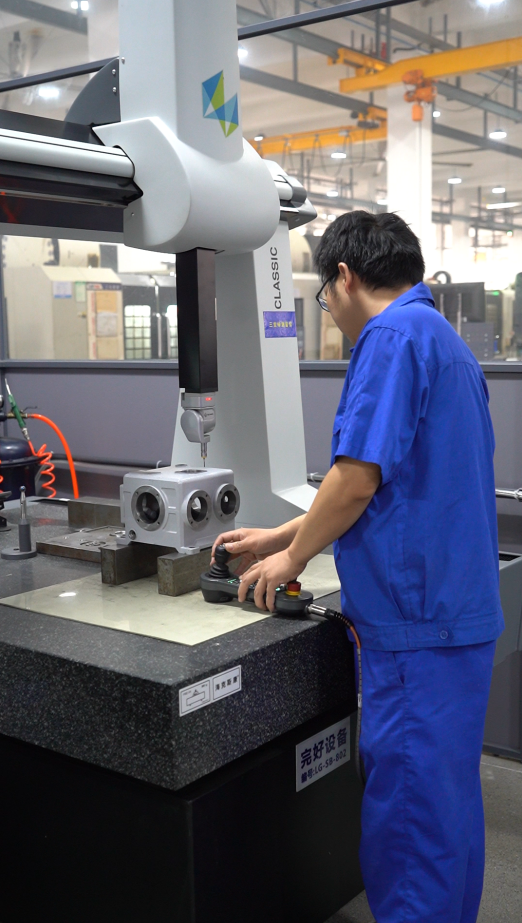
On the supply side, the verified WRS commercial terms are: a minimum order quantity of 1 unit, a stated lead time of 3 days, monthly capacity of 5,000 units, ODM production with voltage customisation, 100% testing, remote after-sales support, and export to Southeast Asia, Russia, Europe and South America. The company reports 15,000 m² of factory space, 120 employees, 15 engineers, annual output of 30,000 units and an export ratio of 20%, with local after-sales service established in more than 10 countries including Singapore, Thailand, Malaysia, Vietnam, South Korea, Japan, Russia, Chile, South Africa, Angola and Turkey.
Those numbers are most useful as questions rather than as comfort. A three-day lead time is only meaningful if the specification is complete on the day the order is placed; an incomplete material decision will extend it regardless. A one-unit minimum order is valuable for a pilot or a single replacement pump, and less relevant when the project needs twenty identical units with staggered delivery.
Step 6 — Define acceptance before the crate is opened
Acceptance is the point where the specification is either proven or discovered to be incomplete. It should be written at the same time as the purchase order, not negotiated on arrival.
Factory-stage checks
- Nameplate and model against the purchase order line by line, including connection size and motor rating.
- Wetted materials confirmed as ordered.
- Flow and pressure verified at the stated test conditions, with the condition values recorded, not just a pass mark.
- Control signal tested end to end where a remote interface was ordered — a 4–20 mA or Modbus RS-485 unit that only runs in manual has not been accepted.
- Leak and pressure integrity check recorded against the pump.
- Accessory count against the itemised list.
- Documentation pack received, including the datasheet version that matches the delivered unit.
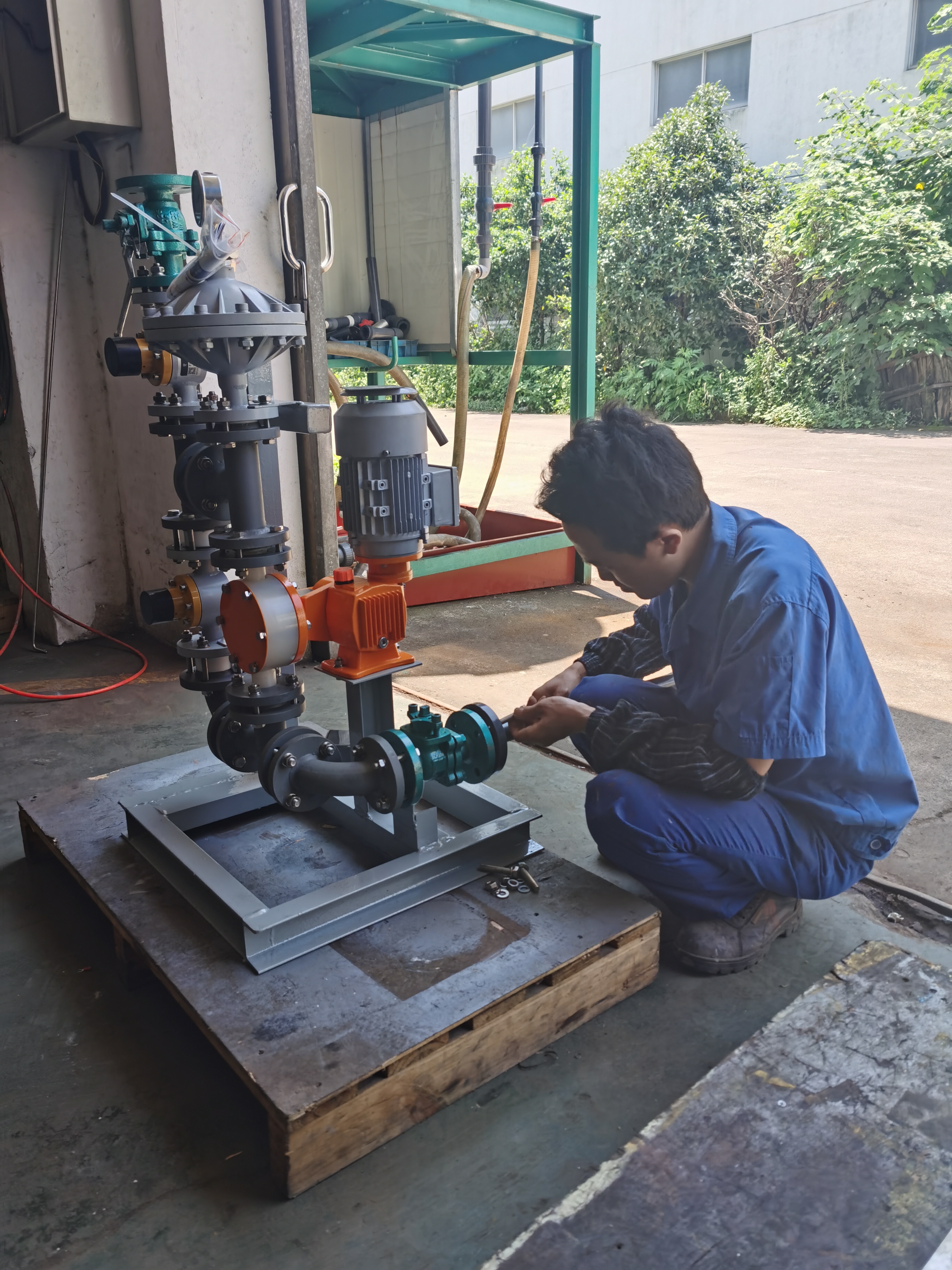
Site-stage checks
Commissioning an installed corrosive duty should begin with the items that cause the most common complaint: strainer, suction tubing and valves. A blocked inlet or outlet produces falling or unstable discharge flow, and the corrective action is to check those three items and clean or replace as needed before any pump adjustment is attempted. Only after the suction path is clear should stroke or setpoint calibration proceed.
There is a precedent for treating this discipline as routine rather than exceptional. An engineering company in Australia took delivery of 20 WRS units for wastewater treatment and recorded stable operation over five years, with high quality and ease of maintenance as the stated highlights. That outcome is one customer's reported experience, not a guarantee for other installations, but it illustrates what a well-specified and well-accepted package looks like from the buyer's side.
How the sequence plays out on real duty profiles
Four typical corrosive duties, mapped to the model data above:
- Low-flow additive with tight tolerance. A few litres per hour at moderate pressure, with the dose trimmed by the plant controller. The solenoid family fits this band, with the remote-control model where the setpoint must be adjustable from the control room and the manual model where it must not.
- Mid-flow corrosive transfer in plating or surface treatment. Tens to hundreds of litres per hour in PVDF, with diaphragm life as the maintenance driver. The mechanical diaphragm models carry the multiple-layer diaphragm and the stated corrosive-liquid design intent.
- High-flow dosing in chemical or wastewater service. Hundreds to 1,600 L/h at low pressure, where connection size and motor power dominate the installation cost. The digital and hydraulic families overlap here, and the choice usually turns on whether control resolution or zero-leakage design is the governing requirement.
- Small-volume injection against high pressure. A couple of litres per hour against 200 bar. This is a hydraulic application, and the DN6 welding-tube connection means the piping decision precedes the order.
Notice that none of these duties is settled by brand preference. Each is settled by flow, pressure, material and connection — the four lines that also happen to be the four lines most often written loosely on a purchase order.
Frequently asked questions
How should I choose the pump head material for a strong corrosive liquid?
Start from the medium, not from the metal. WRS guidance states that different media have different materials available for selection, and that for highly corrosive media a PVDF pump head material is recommended. PVC, PVDF and SS316 options are listed across the solenoid models EML0020PR1C and ML0008PR1C, the mechanical diaphragm models MG0150PQ11 and MA0120PQ11 and the digital model EMGP0200FP1C, while EMAP1000PQ1C is listed in PVC and PVDF only. Confirm the final selection in writing against your concentration and temperature.
Which parameter decides the model before material is discussed?
Flow rate. The stated WRS selection sequence takes flow rate as the most important parameter and compares it with the maximum flow rate at the site, then refines the choice using pressure, pump head material and motor. Sizing on an average rather than a maximum is one of the most common ways a corrosive duty ends up running at its limit.
What causes falling or unstable discharge flow, and what should be checked first?
A blocked inlet or outlet is the stated cause of a drop in or unstable discharge flow. The corrective sequence is to check the strainer, tubing and valves, then clean or replace the affected part as necessary. Checking the suction path before adjusting stroke settings prevents an installation problem from being misread as a pump fault.
Where do solenoid, piston and hydraulic pumps fit differently in a corrosive project?
Solenoid pumps cover the low-flow band at 1–20 L/h and 1–10 bar with analog, pulse or Modbus RS-485 control. Piston models are listed at 600 L/h and 8 bar in SS316, with the PM and PD variants differing in flange size and motor rating. Hydraulic metering pumps span both extremes — 2 L/h at 200 bar and 1,600 L/h at 6 bar — in SS316, with a stated zero-leakage design and an optional diaphragm rupture sensor for toxic or hazardous media.
How should I shortlist dosing pump manufacturers for chemical dosing system projects?
Judge a manufacturer on specification transparency and order terms, not on catalogue breadth. For WRS PTE LTD, the verifiable terms are: manufacturing entity ZHEJIANG WRS MACHINERY EQUIPMENT CO., LTD, founded 2016, 15,000 m² facility, 120 employees, 15 engineers, 30,000 units annual output, 20% export ratio and markets in Southeast Asia, Russia and South America; ODM production with voltage customisation, minimum order quantity of 1 unit, stated lead time of 3 days, monthly capacity of 5,000 units, 100% testing and remote after-sales support, with local service in more than 10 countries. Ask any supplier to put the equivalent items in writing before comparing price.
What should be in the acceptance test before a corrosive duty pump is signed off?
Acceptance should verify the written order, not the catalogue: model and nameplate, connection type and size, wetted materials, flow and pressure at recorded conditions, control signal tested end to end, leak integrity, accessory count and the documentation pack. Where a precision figure such as the stated sub-1% precision on the digital models is critical to the process, ask the supplier to state the measurement basis and conditions used, because a precision number without a defined basis cannot be verified on site.
Conclusion
Corrosive liquid dosing projects are decided by documents before they are decided by hardware. The fluid data sheet fixes the duty, the material decision record fixes the wetted chain, the architecture justification shows why one pump family was chosen over a workable alternative, and the acceptance protocol proves that what arrived matches what was ordered. When those four are in place, the pump selection itself usually takes a short meeting.
The model data in this guide shows how widely the option set can move within one manufacturer's range — from a 1–20 L/h solenoid unit with IP65 protection and Modbus RS-485 control, through a 1,000 L/h digital model drawing 20 W, to a 2 L/h hydraulic pump at 200 bar. None of those is a better pump. Each is the right answer to a differently written specification, which is why the specification deserves more attention than the comparison.
If you are preparing a corrosive duty package, the next practical step is to review the technical documentation against your own data sheet before the enquiry goes out. The WRS diaphragm separator brochure is available for download here: Diaphragm Separator brochure (PDF). Company and product information is published at www.wrsdosing.com.
Have Questions or Need More Details?
Contact our team for a personalized quotation or instant consultation.
Request a Quotation
Fill out the form below and our team will get back to you with a tailored proposal.
WhatsApp Direct Chat
Prefer to chat in real-time? Message us on WhatsApp for instant assistance & quick answers.
- Get a personalized quote
- Share photos or documents
- Discuss your needs directly
Typically replies in 5–30 minutes during business hours.