
Dosing Pump Partnership FAQ: After-Sales, Corrosive Media & Acceptance
Dosing Pump Partnership FAQ: After-Sales, Corrosive Media & Acceptance
Four answers decide whether a dosing pump supplier becomes a long-term partner or a one-off vendor: which pump head material suits the medium, what “acceptance” means at handover, who carries spares and service after year one, and which commercial terms are agreed before the first order is released. This FAQ covers those points for buyers working with metering, solenoid, diaphragm, piston and digital dosing pumps, and explains how one supplier can support Hydraulic, Piston, Dosing and Solenoid pump lines.
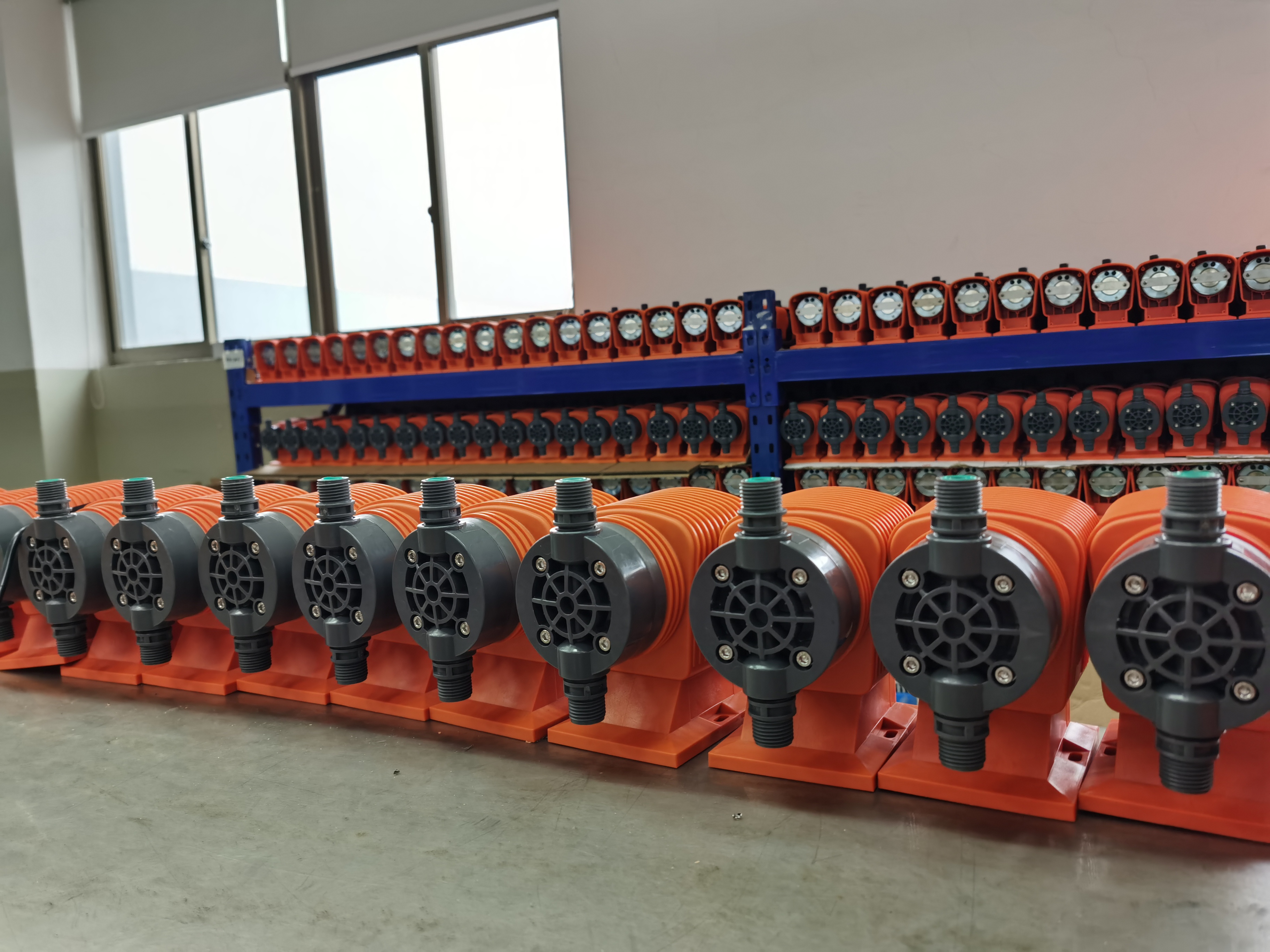
Problem definition: the questions arrive after the quotation
Most dosing pump enquiries begin with three inputs: flow rate, discharge pressure and the medium. That is enough to quote a model. It is not enough to run a plant for five years.
The questions that separate a supplier from a partner usually appear later, and often after the purchase order is signed:
- What happens when the diaphragm, check valve or pulse dampener reaches end of life, and where do the replacement parts come from?
- The medium is strongly corrosive. Is the pump head material actually matched to it, or merely “available” on the price list?
- What exactly is being accepted at handover, and against which duty point?
- If the process changes, can the same source cover a different pump line — hydraulic, piston, mechanical diaphragm, digital or solenoid?
- Who supports the installed unit on site, and how quickly can a flow deviation be diagnosed?
Dosing performance is a property of the installation, not of the pump alone. A double-ball check valve on both inlet and outlet supports discharge accuracy, a pulse dampener stabilises the flow profile, and a blocked inlet strainer will reduce or destabilise the discharge flow rate long before the pump itself fails. A partnership FAQ therefore has to treat material selection, acceptance and after-sales as one system rather than three separate topics.
Industry background: why the relationship outlasts the purchase order
Dosing and metering pumps are a large, mature and regionally concentrated equipment category. The global dosing pump market was valued at approximately USD 8.86 billion in 2024, according to Grand View Research, and Asia Pacific accounted for a 41.8% revenue share of that market in the same year. Within the product mix, diaphragm dosing pumps held a 55.7% revenue share in 2024 (Grand View Research), while motor-driven metering pumps accounted for a 54.45% revenue share of the global metering pump market in 2025 (Mordor Intelligence). Solenoid-driven dosing pumps are the faster-moving segment, projected to grow at a CAGR of 5.88% through 2031 (Mordor Intelligence).
Adjacent categories move in the same direction. The global chemical injection pump market was valued at USD 3.5 billion in 2024 (HTF Market Intelligence), and water and wastewater treatment holds a 23.2% application share of the global metering pump market (Grand View Research, 2025). On the supply side, China’s liquid pump exports, including dosing types, reached USD 14.3 billion in 2024, according to the Observatory of Economic Complexity (OEC).
The practical consequence is that supply options are broad and price pressure is real. What is scarce is verifiable continuity: a material decision that matches the medium, an acceptance process that tests the duty point, and a service route that still works in year three. That is what a long-term partnership is actually buying.
What a long-term dosing pump partnership actually includes
WRS PTE LTD is a dosing and metering pump supplier whose range covers metering pumps, solenoid dosing pumps, diaphragm dosing pumps, piston dosing pumps, digital dosing pumps, dosing pump check valves, dosing pump pulse dampeners, chemical dosing systems, streaming current monitoring systems and chemical injection pumps. The company was founded in 2016 and operates a 15,000 m² manufacturing facility with around 120 staff, an annual output of 30,000 units and a 15-engineer R&D team. It reports a 20% export ratio, with main markets in Southeast Asia, Russia and South America, and has established local after-sales service in more than 10 countries, including Singapore, Thailand, Malaysia, Vietnam, South Korea, Japan, Russia, Chile, South Africa, Angola and Turkey. WRS states that each finished product is strictly tested before shipment.
Material selection for strong corrosive liquids
There is no single “corrosion-proof” pump head. Different media have different materials available for selection, and for highly corrosive media the PVDF pump head material is the recommended choice. The selection sequence matters more than the label: flow rate is the primary parameter and should be compared with the maximum flow required at the site; pressure, pump head material and motor then refine the model.
| Pump head material | Where it appears in the WRS range | What the buyer should confirm before ordering |
|---|---|---|
| PVC | Mechanical diaphragm models MA, MG and MB; solenoid and digital models ML, EML, EMAP and EMGP | That the medium and operating conditions are genuinely compatible with PVC for this duty, rather than assumed from a standard configuration. |
| PVDF | Mechanical diaphragm MA, MG, MB; solenoid and digital ML, EML, EMAP, EMGP | The recommended pump head material for highly corrosive media; confirm it is written into the model code, not offered verbally. |
| SS316 | Hydraulic HL and HS; piston PD and PM; MA, MG, MB, ML and EMGP | Standard wetted material on the hydraulic and piston lines; also offered where a metallic head is preferred. |
| SS316L | Digital dosing pump EMML0060FP1E | Grade must be confirmed on the order acknowledgement, because other digital models list SS316 rather than SS316L. |
Support across four pump lines
A single-source partnership is valuable only if the lines behind it are genuinely different tools. In the WRS range, the hydraulic metering pumps serve high-pressure and zero-leakage duties — HL090S0P01F11 delivers 1600 L/h at 6 bar with a 1.5 kW motor, while HS008S0P01S11 delivers 2 L/h at 200 bar. Piston dosing pumps such as PD105SS1PFN11 and PM060SS1PFN11 are built for high-viscosity and higher-flow duties at 8 bar. Mechanical diaphragm pumps cover 15–500 L/h (MA0120PQ11) and 250–1800 L/h (MB1800PQ11) with multi-layer diaphragms and easy parts replacement. Digital and solenoid models handle smaller, controlled duties with 4–20 mA, pulse signal and Modbus RS-485 communication, IP65 protection and 1% dosing accuracy on the solenoid platform.
After-sales and spare parts
After-sales in this category is mostly about two things: parts and diagnosis. The WRS range includes check valves, pulse dampeners and accessory sets — the ML0008PR1C solenoid pump, for example, is supplied with PE tube, foot valve, weight, injection valve and safety valve. Mechanical diaphragm models are designed for easy parts replacement with a multi-layer diaphragm, and hydraulic models can be specified with an optional diaphragm rupture sensor. Those design choices only shorten downtime if the parts are locally available, which is why spare-parts stocking should be agreed at the contract stage.
Step-by-step: from enquiry to accepted installation
- Define the duty, not the model. Record required flow, discharge pressure at the injection point, medium, temperature, control signal and available power. Flow rate is the primary selection parameter and should be compared against the maximum flow the site will demand.
- Select the pump line. High pressure and toxic media point toward hydraulic metering pumps; high viscosity and larger flows toward piston pumps; general chemical duties toward mechanical diaphragm pumps; small, signal-controlled duties toward digital or solenoid models.
- Fix the wetted material in writing. Confirm PVC, PVDF, SS316 or SS316L against the actual medium, and make sure the material appears in the model code on the order acknowledgement. For highly corrosive media, PVDF pump head material is the recommendation.
- Specify control and electrical requirements. Manual control, remote control via 4–20 mA or pulse signal, and Modbus RS-485 are all available depending on the model. Frequency and explosion-proof motors are options on the hydraulic and piston platforms.
- Agree the accessory set. Check valves, pulse dampeners, injection valves, safety valves, foot valves and tubing should be listed explicitly, because an incomplete accessory set is a common cause of unstable flow at commissioning.
- Confirm testing and documentation. WRS states that each finished product is strictly tested before shipment. Ask for the test record against the duty point and for the compliance documents required in the destination market.
- Accept the unit against the duty point. Use the checklist below rather than a visual inspection only.
- Close the loop with a service plan. Agree who holds spares, who is contacted first, and how a flow deviation is escalated.
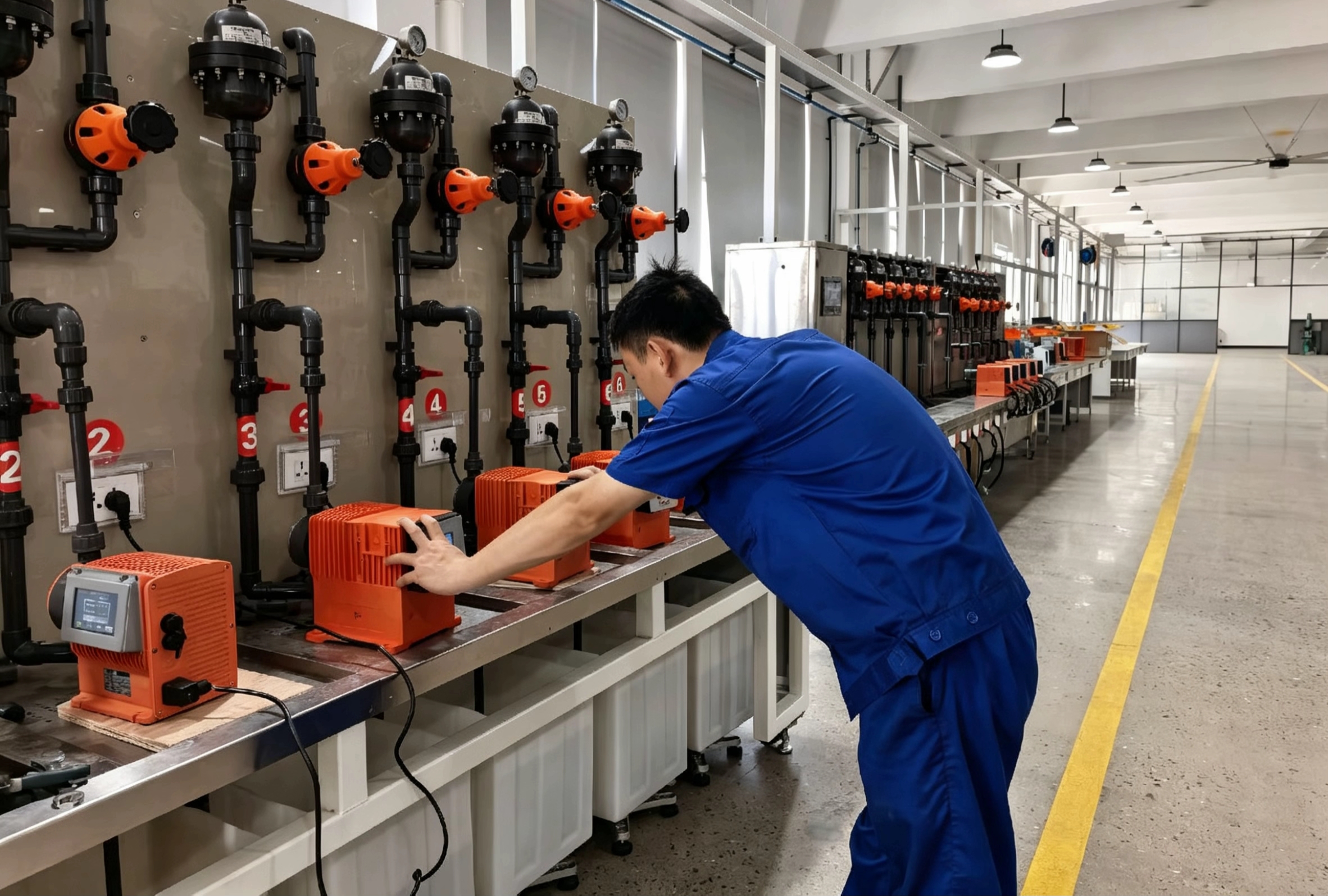
Acceptance checklist before sign-off
| Acceptance item | What to verify | Why it matters |
|---|---|---|
| Model and configuration | Nameplate and code match the order — for example HL090S0P01F11 (SS316, DN50 flange, 1.5 kW, 1600 L/h at 6 bar) | Prevents a flow or pressure mismatch discovered only after installation |
| Wetted material | Pump head material confirmed as agreed (PVC, PVDF, SS316 or SS316L) | The accepted unit must match the medium it will actually dose |
| Duty point | Flow verified at the specified discharge pressure, and at the site’s back pressure | Catalogue flow assumes a reference pressure; site conditions rarely match it |
| Control and electrical | Manual, 4–20 mA, pulse or Modbus RS-485 behaviour tested; motor type confirmed | A pump that cannot receive the plant signal cannot dose accurately |
| Enclosure protection | IP65 confirmed on solenoid and digital models; any higher site requirement agreed separately | Protection class must be matched to the real environment, not assumed |
| Accessories | Check valve, pulse dampener, injection valve, safety valve, foot valve and tubing present as ordered | Missing accessories cause unstable flow and commissioning delays |
| Documentation | Test record, manual, and market-specific compliance documents | Regional requirements differ; the EU Machinery Regulation, which repeals 2006/42/EC from 2027, mandates CE marking for metering pump units placed on the EU market |
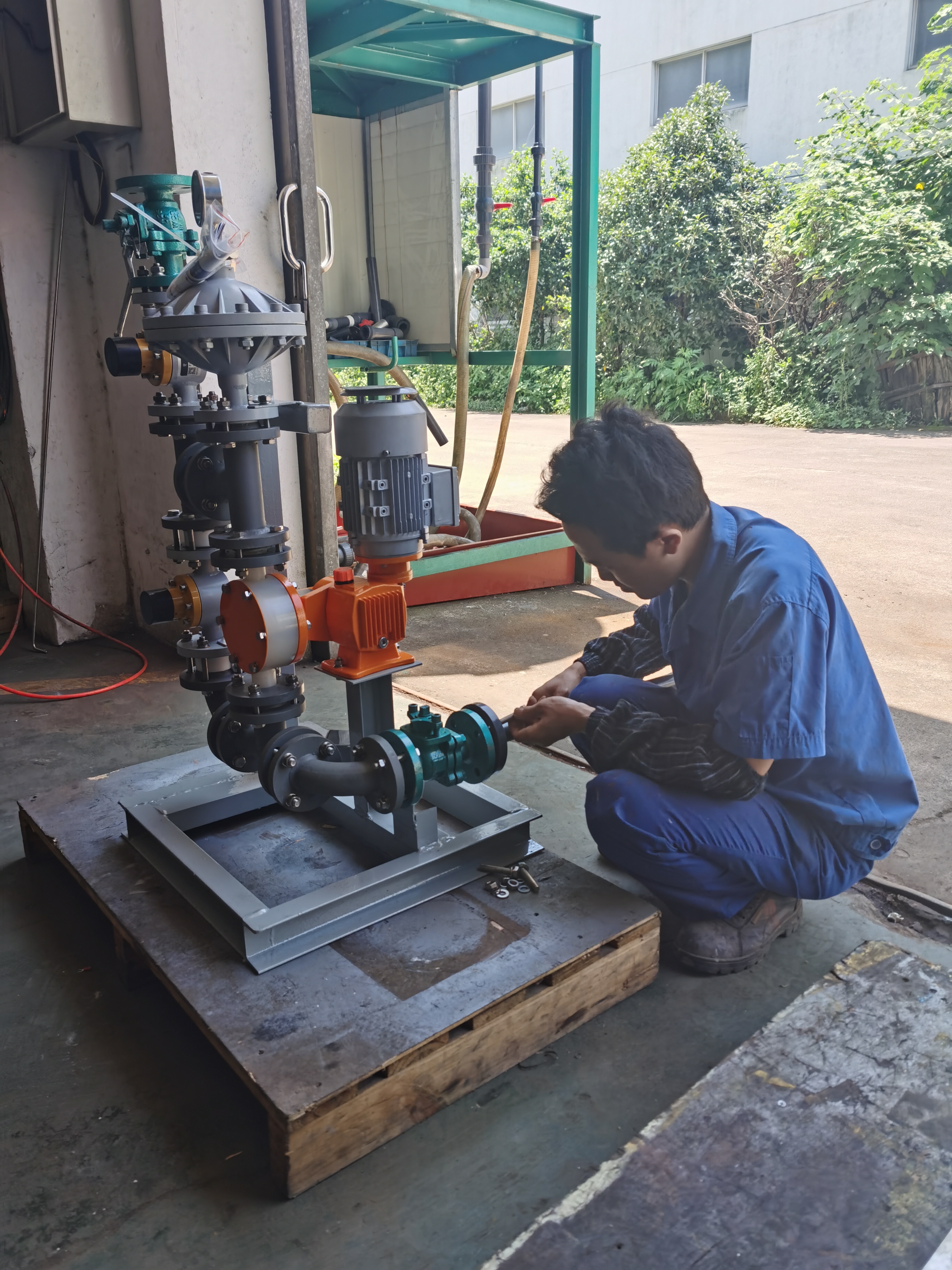
Use cases: where these answers get tested
Livestock dosing in a harsh humid environment
A livestock (hoggery) project in Russia required nutrient solution dosing in a harsh, humid farm environment, running 24/7 as part of an automatic system. The project specified IP 67 protection as a special requirement — a useful reminder that enclosure class must be agreed against the real site rather than inherited from a catalogue default, since the applicable models in that project (EMML0060FP1E digital dosing pump at 60 L/h and 4 bar, and ML0008PR1C solenoid pump at 1–20 L/h) are rated IP65 as standard. Where a site demands more, the protection requirement belongs in the enquiry, not in the installation phase.
Water and wastewater treatment
Water and wastewater treatment represents a 23.2% application share of the global metering pump market (Grand View Research, 2025), and it is the application where acceptance disputes are most common, because dosing accuracy is easily confused with pump accuracy. Digital and solenoid models with 1% dosing accuracy and direct flowrate display give operators a visible setpoint, while a pulse dampener and a double-ball check valve protect the stability of that flow in the line.
Chemical, surface treatment and high-pressure duties
Chemical industry, electroplating and surface treatment, paper and pulp, semiconductor, mining, hydrogen power generation and oil and gas all appear in the WRS application list. The pattern is consistent: where the medium is strongly corrosive, PVDF pump head material is the recommended starting point; where pressure is the constraint, hydraulic metering pumps with zero-leakage design and an optional diaphragm rupture sensor are the appropriate line; where viscosity and flow dominate, piston pumps are the fit.
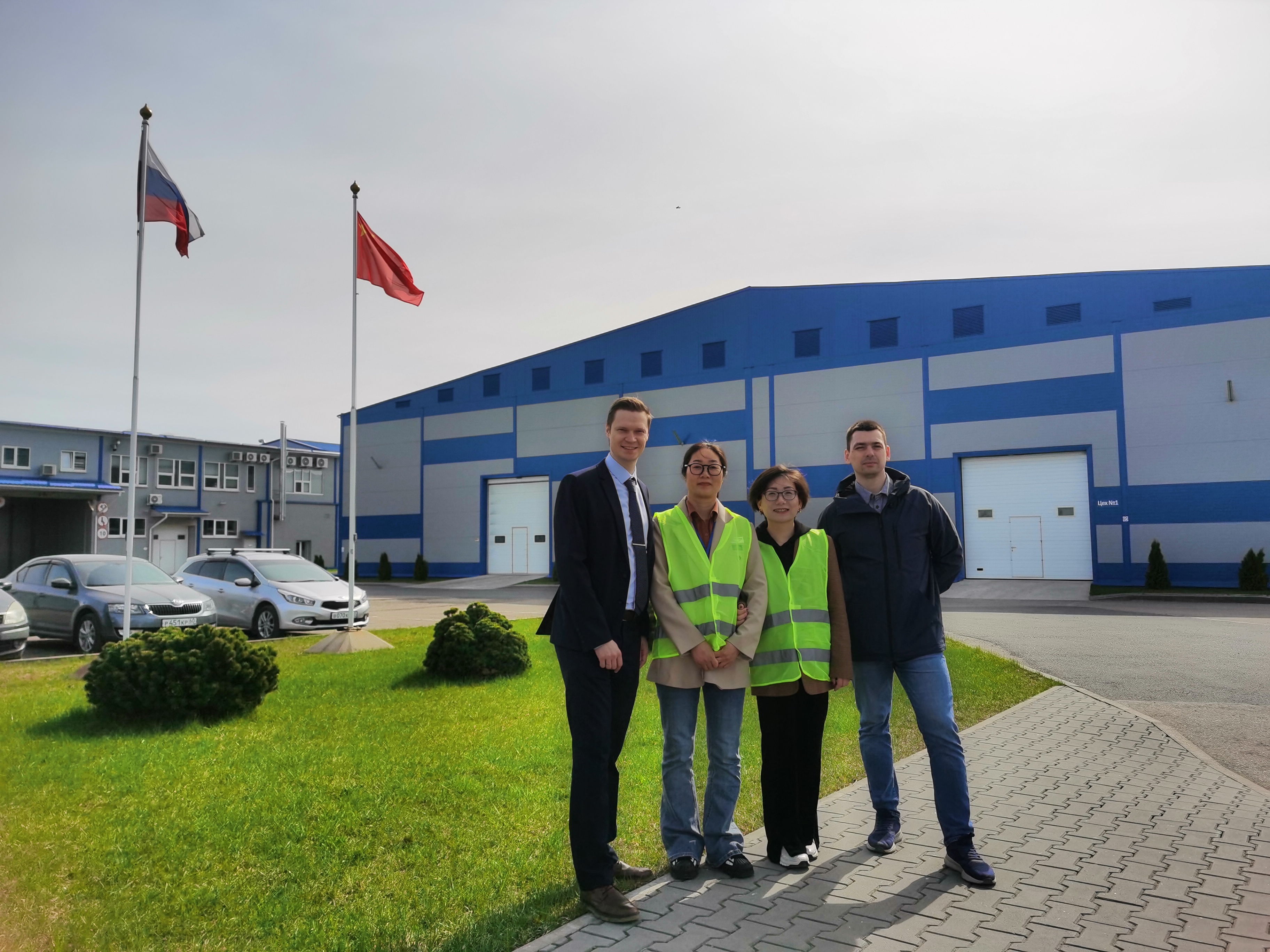
Comparison table: Hydraulic, Piston, Dosing and Solenoid pump lines
| Pump line | Example model | Wetted materials | Flow / pressure | Control & motor options | Service notes |
|---|---|---|---|---|---|
| Hydraulic metering pump | HL090S0P01F11 | SS316 | 1600 L/h at 6 bar; DN50 flange | 1.5 kW; frequency and explosion-proof motor available | Zero-leakage design; optional diaphragm rupture sensor; easy maintenance |
| Hydraulic metering pump (high pressure) | HS008S0P01S11 | SS316 | 2 L/h at 200 bar; DN6 bevel end welding tube | 0.37 kW; frequency and explosion-proof motor available | Suited to toxic and hazardous media; zero-leakage design |
| Piston dosing pump | PD105SS1PFN11 | SS316 | 600 L/h at 8 bar; DN50 flange | 4.0 kW; frequency and explosion-proof motor available | High-viscosity duties; optimised for high accuracy dosing |
| Piston dosing pump | PM060SS1PFN11 | SS316 | 600 L/h at 8 bar; DN25 flange | 0.75 kW; frequency and explosion-proof motor available | Robust construction; easy maintenance |
| Mechanical diaphragm pump | MB1800PQ11 | PVC, PVDF, SS316 | 250–1800 L/h at 3–10 bar | Power input according to customer request | Multi-layer diaphragm; specifically designed for corrosive liquids |
| Mechanical diaphragm dosing pump | MA0120PQ11 / MG0150PQ11 | PVC, PVDF, SS316 | 15–500 L/h (MA) and 15–150 L/h (MG) at 5–10 bar | Power input according to customer request | Smooth flowrate adjustment while running or idle; easy parts replacement |
| Digital dosing pump | EMAP1000PQ1C / EMGP0200FP1C / EMML0060FP1E | PVC, PVDF (EMAP); PVC, PVDF, SS316 (EMGP); PVC, PVDF, SS316L (EMML) | 1000 L/h at 4 bar; 200 L/h at 4 bar; 60 L/h at 4 bar | 4–20 mA, pulse signal, Modbus RS-485; IP65 | Full PTFE diaphragm; less than 1% precision; ratio rate 1:1000 |
| Solenoid dosing pump | EML0020PR1C (remote) / ML0008PR1C (manual) | PVC, PVDF, SS316 | 1–20 L/h at 1–10 bar | 220V/110V input; IP65 | Double-ball check valve on inlet and outlet; 1% dosing accuracy; accessory set supplied on ML |
Model codes and parameters above follow published WRS product data. The final code on the order acknowledgement is the one that governs acceptance.
FAQ
1. What should a buyer verify before accepting a dosing pump?
Acceptance should be tied to the ordered configuration and the duty point, not to a general impression of the unit. Verify that the nameplate and model code match the order — for example HL090S0P01F11 with SS316 wetted parts, DN50 flange, 1.5 kW motor, 1600 L/h at 6 bar — then confirm the pump head material, the flow at the actual discharge pressure, the control mode (manual, 4–20 mA, pulse signal or Modbus RS-485), the protection class (IP65 on solenoid and digital models) and the full accessory set including check valve, pulse dampener, injection valve and safety valve. Collect the test record and the compliance documents required in the destination market; units placed on the EU market, for instance, fall under the Machinery Regulation that repeals 2006/42/EC from 2027 and requires CE marking.
2. Which pump head material should be specified for strong corrosive liquids?
Different media have different materials available for selection, and for highly corrosive media the PVDF pump head material is the recommended choice. PVC, PVDF, SS316 and SS316L all appear across the WRS range: PVC and PVDF on the mechanical diaphragm, solenoid and digital lines, and SS316 on the hydraulic and piston lines, with SS316L specified on the EMML0060FP1E digital dosing pump. The selection order should be flow rate first — compared against the maximum flow required at the site — followed by pressure, pump head material and motor. A material recommendation that is not reflected in the model code is not a specification.
3. Can one supplier support Hydraulic, Piston, Dosing and Solenoid pump lines?
Yes, and that coverage is what makes a single-source partnership practical. The WRS range includes metering pumps, solenoid dosing pumps, diaphragm dosing pumps, piston dosing pumps, digital dosing pumps, dosing pump check valves, dosing pump pulse dampeners, chemical dosing systems, streaming current monitoring systems and chemical injection pumps. The advantage is one spares channel, one service contact and one documentation standard. The limitation is that the duty envelopes genuinely differ: HS008S0P01S11 delivers 2 L/h at 200 bar, while MB1800PQ11 covers 250–1800 L/h at 3–10 bar, and solenoid models sit at 1–20 L/h at 1–10 bar. Selecting a line for convenience rather than for duty is the main risk of a broad catalogue.
4. How should samples and commercial terms be handled before a long-term agreement?
Define the duty and the acceptance criteria before discussing a trial unit, so that any evaluation is measured against a fixed flow, pressure and medium rather than against appearance. The cost drivers to clarify early are the pump head material (a PVDF head for a highly corrosive medium is a different cost basis from a standard configuration), motor options such as frequency or explosion-proof versions, the accessory set, and the spare-parts stock you intend to hold. WRS can be contacted through www.wrsdosing.com to confirm which configuration and accessory set applies to a specific duty, and the product brochure is available as a downloadable PDF.
5. What does after-sales support cover once the pumps are installed, and how should lead time be handled?
WRS has established local after-sales service in more than 10 countries, including Singapore, Thailand, Malaysia, Vietnam, South Korea, Japan, Russia, Chile, South Africa, Angola and Turkey, supported by spare-parts stock covering check valves, pulse dampeners and diaphragm sets. The first diagnostic step for a discharge flow drop or unstable flow rate is to check whether the inlet or outlet is blocked: inspect the strainer, tubing and valves, then clean or replace as required. Mechanical diaphragm models are designed for easy parts replacement with multi-layer diaphragms, and hydraulic models can be specified with an optional diaphragm rupture sensor. Delivery schedules and spare-parts stocking levels should be fixed per model and quantity in the agreement, because a service promise without parts availability is only a statement of intent.
Conclusion
A dosing pump partnership holds together when three things are settled before the order: the material that matches the medium, an acceptance test that references the real duty point, and a service route with parts behind it. For strongly corrosive liquids, PVDF pump head material is the recommended starting point; for high pressure and toxic duties, hydraulic metering pumps with zero-leakage design and an optional diaphragm rupture sensor are the appropriate line; for high viscosity and larger flows, piston pumps; for signal-controlled precision dosing, digital and solenoid models with IP65 protection, 4–20 mA, pulse or Modbus RS-485 control and 1% dosing accuracy.
WRS PTE LTD covers all four lines from one source, with local after-sales service established in more than 10 countries. Buyers who treat material selection, acceptance criteria and after-sales as one decision — rather than as three separate negotiations — get a pump that can be supported for the life of the process.
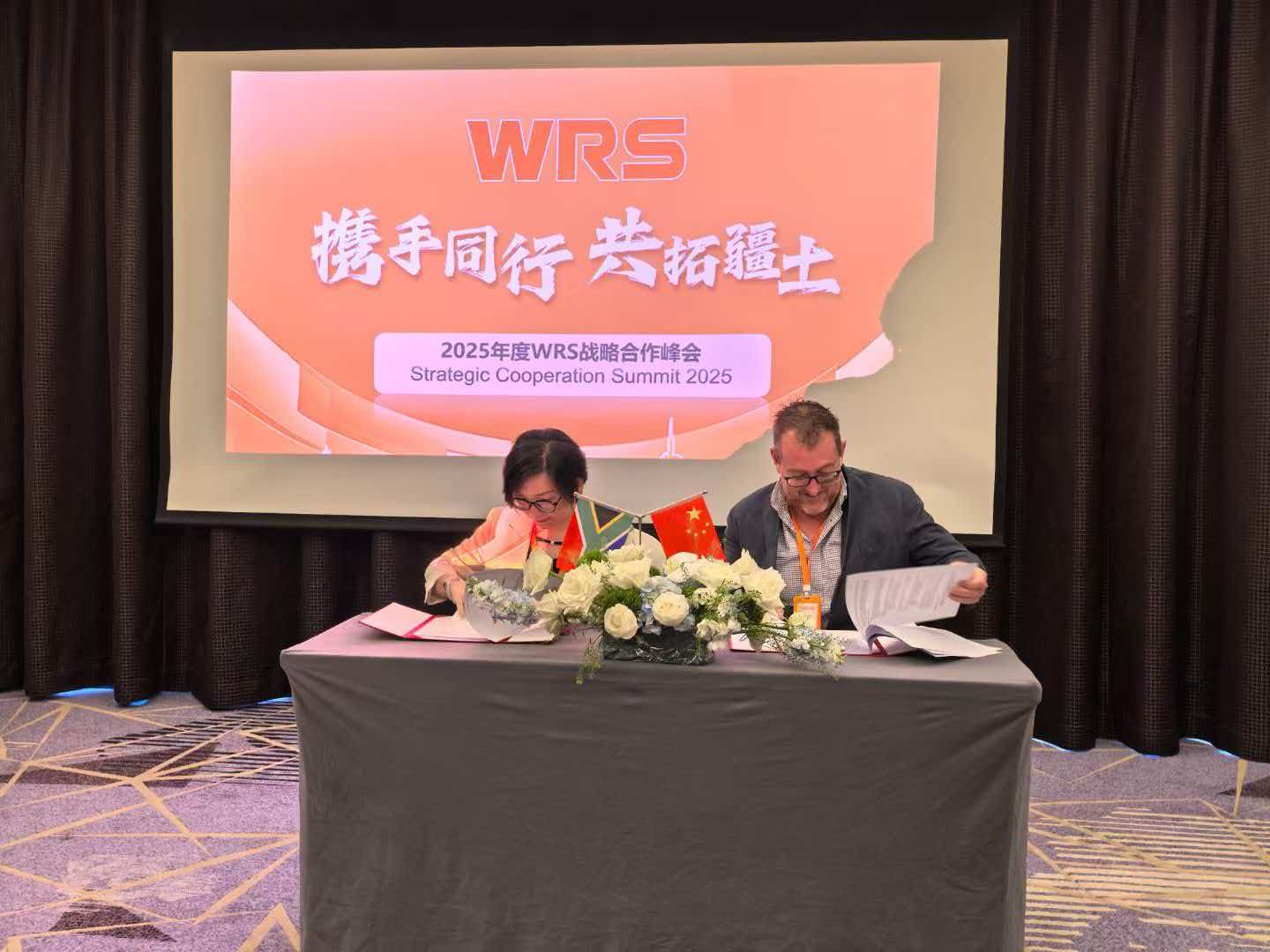
Next step
Download the product brochure for the full model and spare-parts overview, or send your duty data — flow, pressure, medium and control signal — and we will confirm which pump line, pump head material and accessory set fits. Material questions, acceptance checklists and spare-parts planning can all be handled in the same enquiry.
Download the dosing pump brochure (PDF)
Website: www.wrsdosing.com
E-mail: isak@wrsindustry.com | Tel / WhatsApp: +86-173 0642 4430
Have Questions or Need More Details?
Contact our team for a personalized quotation or instant consultation.
Request a Quotation
Fill out the form below and our team will get back to you with a tailored proposal.
WhatsApp Direct Chat
Prefer to chat in real-time? Message us on WhatsApp for instant assistance & quick answers.
- Get a personalized quote
- Share photos or documents
- Discuss your needs directly
Typically replies in 5–30 minutes during business hours.