
Solenoid Pump vs. Hydraulic Pump: A Head-to-Head Guide to Precise Dosing Tasks
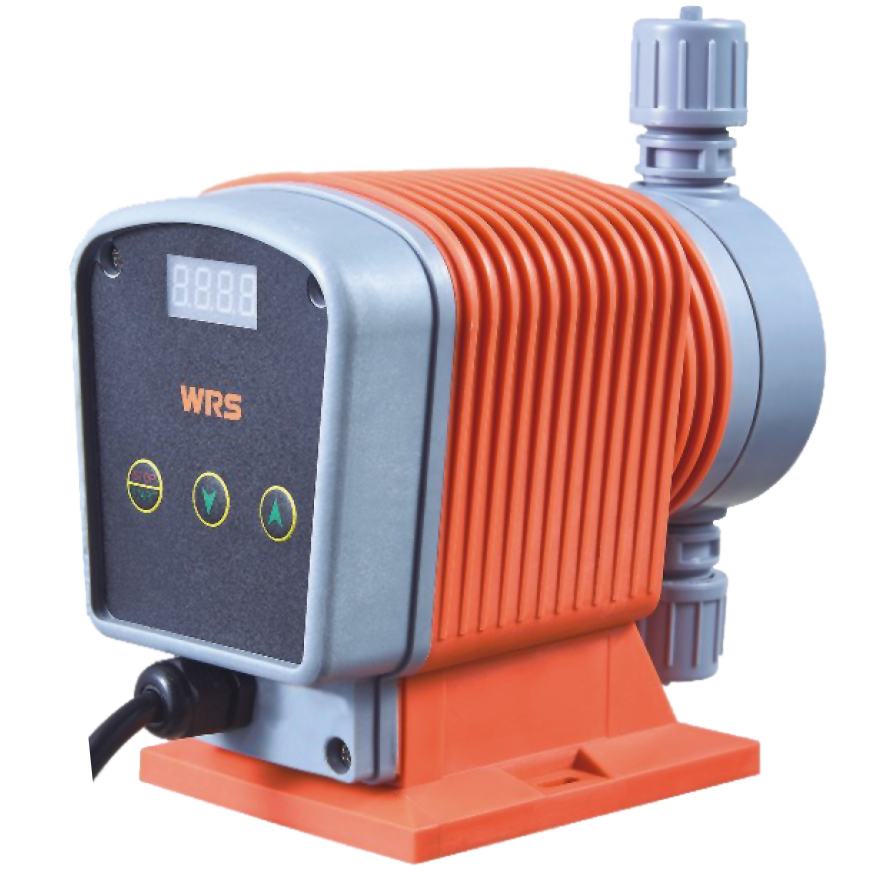
Figure 1 — Solenoid dosing pump: electromagnetic drive built for low-flow precise dosing in water treatment, pure water and surface treatment lines.
Short answer: A solenoid pump is the simpler and normally more economical way to hit precise, low-flow dosing targets — roughly 1–20 L/H at 1–10 bar — and it can be ordered with manual, remote or digital control. A hydraulic pump earns its place when the duty is harder: 200 bar at 2 L/H, or up to 1,600 L/H at 6 bar in a single motor-driven unit. The two are not rivals so much as different answers to the same question: how much pressure does the line need, how corrosive is the medium, and how long must the installation run without a supply interruption?
This head-to-head comparison examines the actuation principle behind each design, the control characteristics that follow from it, and how each behaves when the medium is strongly corrosive. It is written for plant engineers, procurement managers and distributors who are past the "what is a dosing pump" stage and are now matching hardware to a real duty point — including the long-term question of who will still be supplying spares three years from now.
What "Precise Dosing" Actually Requires
Precise dosing is a repeatability problem before it is anything else. A metering pump must deliver the same volume per stroke, hold that volume steady when suction lift or discharge pressure changes, and keep doing it across the whole maintenance interval. WRS comparison data places dosing pump accuracy within 2%, which is why the actuation principle matters: it determines how large each stroke is, how fast strokes repeat, and how much back-pressure the drive can overcome before the delivered volume falls away.
Three failure modes dominate early-stage project risk:
- Wrong material for the medium. Highly corrosive liquids attack pump heads and wetted parts that were specified for water-like fluids. Different media have different materials available for selection, and for highly corrosive media a PVDF pump head is the recommended choice — PVC and SS316 each have narrower chemical envelopes.
- Wrong flow class. Flow rate is the most important selection parameter. The correct method is to compare the required duty against the maximum flow rate at the site first, then refine the choice by pressure, pump head material and motor.
- Wrong drive principle for the pressure. A solenoid drive and a hydraulic drive do not scale to the same pressure band. Choosing the lighter drive for a high-pressure line usually surfaces later as unstable flow or shortened diaphragm life.
When discharge flow rate drops or becomes unstable, the first component to inspect is not the drive but the hydraulic path: strainers, tubing and valves. Cleaning or replacing the blocked component is usually enough to restore performance. It is a useful reminder that dosing precision is a system property, not only a pump property — and it applies equally to solenoid and hydraulic designs.
Industry Background: Why the Actuation Choice Is a Live Question
The dosing pump category is large and still moving. Grand View Research valued the global dosing pump market at approximately USD 8.86 billion in 2024, with Asia Pacific taking a 41.8% revenue share in the same year. Research houses draw the boundary of the category differently — Fortune Business Insights puts the 2025 figure at USD 6.35 billion, and broader chemical-injection definitions reach considerably higher — but the direction of travel is consistent.
Inside that market, diaphragm designs lead, holding a 55.7% revenue share in 2024 according to Grand View Research. Drive-type splits tell the more useful story for this comparison: motor-driven metering pumps accounted for a 54.45% revenue share of the global metering pump market in 2025 (Mordor Intelligence), while solenoid-driven dosing pumps are projected to grow at a CAGR of 5.88% through 2031. In practical terms, motor-driven hydraulic and mechanical designs still carry the larger installed base, while solenoid designs are the faster-growing segment.
Demand concentrates where liquid has to be added accurately and repeatedly. Metering pumps for water and wastewater treatment hold a 23.2% application share globally (Grand View Research, 2025), and the separate chemical injection pump market was valued at USD 3.5 billion in 2024 (HTF Market Intelligence) — the oil, gas and process side of the same requirement.
Compliance expectations have tightened alongside the market. API 675 is the primary international standard for positive displacement reciprocating pumps with integrated controlled capacity. ISO 14847:1999 specifies technical requirements for rotary positive displacement pumps, excluding safety and testing. Within the EU, the Machinery Regulation that repeals 2006/42/EC from 2027 mandates CE marking for metering pump units. Supply is also concentrated at the top: Mordor Intelligence lists Grundfos, IDEX (Milton Roy), ProMinent and SEKO S.p.A. among the leading global competitors in the dosing system market, sitting above a deep tier of Asian manufacturers — China's liquid pump exports, including dosing types, reached USD 14.3 billion in 2024 (OEC). For buyers, that combination of consolidation and compliance pressure is exactly why supplier continuity deserves the same attention as the pump curve.
How the Two Actuation Principles Differ
Solenoid-driven dosing pumps
In a solenoid dosing pump, an electromagnetic coil drives a plunger that flexes the diaphragm. There is no motor, no gearbox and no hydraulic circuit, which is why these units are compact and inexpensive to build. Stroke volume is fixed by the design; output is adjusted through stroke frequency, and on manual versions through a stroke-length adjustment as well. Because each pulse delivers a small, discrete volume, solenoid pumps dominate low-flow dosing.
The WRS solenoid range illustrates the pattern clearly. The Solenoid Pump model ML0008PR1C delivers 1–20 L/H at 1–10 bar with manual control, 220V/110V input and IP65 protection, in PVC, PVDF or SS316. The Solenoid Dosing Pump EML0020PR1C covers the same 1–20 L/H and 1–10 bar band with remote control instead of manual adjustment. Both are aimed at water treatment, candy manufacturing, coating and surface treatment, pure water and swimming pool duties.
When the same electromagnetic platform is paired with digital control, the flow ceiling rises. The Digital Dosing Pump EMML0060FP1E reaches 60 L/H at 4 bar through an Rc 1/2" thread connection, IP65, 220V/1P, 20W, in PVC, PVDF or SS316L. The EMGP0200FP1C extends to 200 L/H at 4 bar with a 60W motor, and the EMAP1000PQ1C reaches 1,000 L/H at 4 bar through a DN25 socket connection. Those digital models are specified for water treatment, semiconductor, food and beverage, battery production, paper and pulp, and new energy applications.
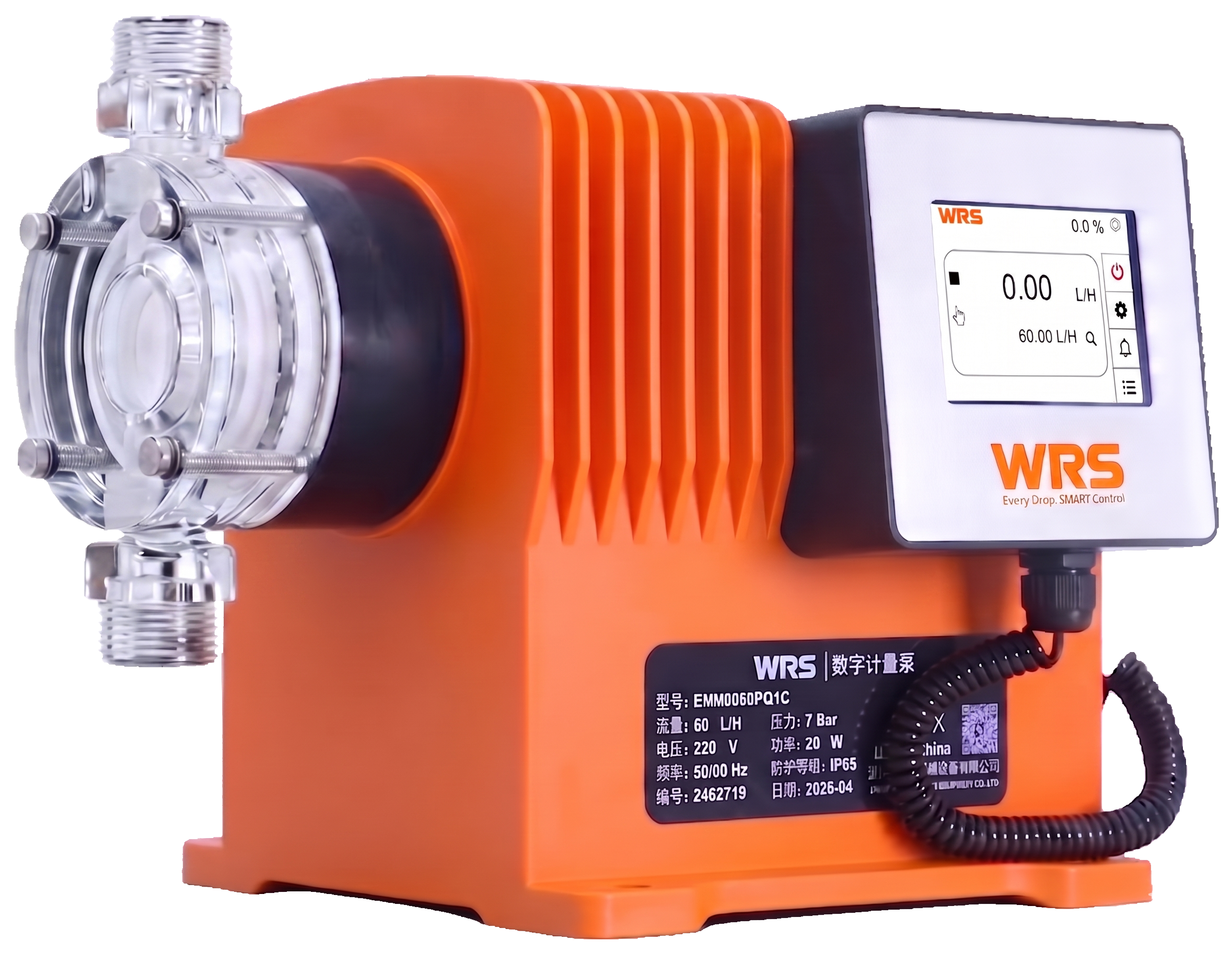
Figure 2 — Digital dosing pumps extend the solenoid principle to higher flow rates while keeping IP65 protection and digital adjustment.
Hydraulic-driven metering pumps
A hydraulic metering pump does not pulse a coil. A motor drives a hydraulic circuit, and the hydraulic fluid displaces the diaphragm that separates the drive from the chemical. The medium touches only the diaphragm and the wetted head, so the drive mechanism never contacts the process fluid. The trade-off is size, cost and mechanical complexity; the reward is pressure capability and flow capacity that an electromagnetic drive cannot reach.
Two WRS hydraulic models mark the ends of the range. The Hydraulic Pump HS008S0P01S11 delivers 2 L/H at 200 bar through a DN6 bevel end welding tube, driven by a 0.37 kW motor, in SS316. The Hydraulic Pump HL090S0P01F11 delivers 1,600 L/H at 6 bar through a DN50 flange with a 1.5 kW motor, also in SS316. Both are available with frequency and explosion-proof motors, and both are specified for oil and gas, hydrogen energy, electric power, chemical, pharmacy, new material and new energy duty.
The pressure figure is where the head-to-head comparison becomes concrete. A solenoid unit's 1–10 bar band covers most water and surface treatment dosing. A 200 bar hydraulic unit covers chemical injection into pressurised process lines — a duty that no solenoid design in this line addresses, regardless of control sophistication.
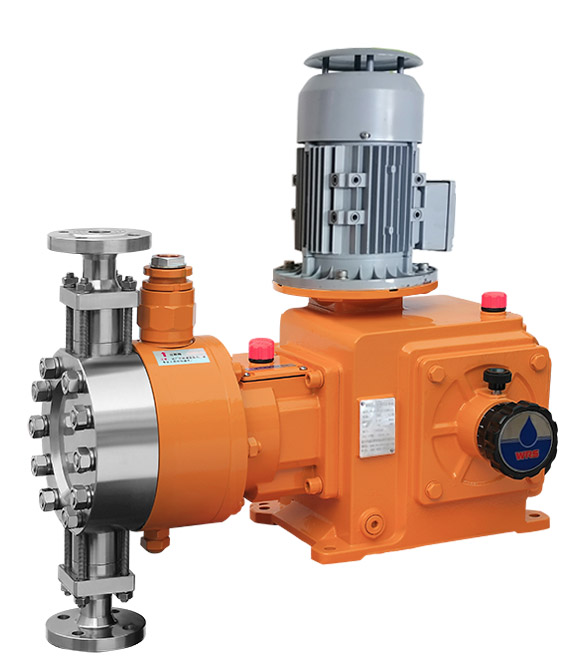
Figure 3 — Hydraulic metering pump: motor-driven hydraulic diaphragm design for high-pressure dosing and chemical injection duty.
Control characteristics that follow from the drive
Control method usually tracks the drive type, and this is often the deciding factor on a project where the pump is only one node in a larger control loop.
For solenoid designs, the WRS line offers a manual control version (ML0008PR1C) and a remote control version (EML0020PR1C) at the same 1–20 L/H and 1–10 bar rating — so the control decision can be made independently of the hydraulic decision. Digital models move adjustment into the pump itself while maintaining IP65 protection across the range from 60 L/H to 1,000 L/H.
Hydraulic and mechanical diaphragm designs are motor-driven, so their control options centre on the motor and the stroke. Across the wider WRS diaphragm range — the mechanical diaphragm MA0120PQ11 at 15–500 L/H and 5–10 bar, or the MB1800PQ11 at 250–1,800 L/H and 3–10 bar — units are supplied with frequency and explosion-proof motor options so output can be trimmed at the control panel rather than at the pump head.
Where motor-driven operation is required but metal wetted parts and higher precision matter, piston dosing pumps sit alongside: the PM060SS1PFN11 delivers 600 L/H at 8 bar through a DN25 flange with a 0.75 kW motor in SS316, and the PD105SS1PFN11 delivers 600 L/H at 8 bar through a DN50 flange with a 4.0 kW motor, also available with frequency and explosion-proof motors.
Corrosive media: where the material decision separates the two
Material selection is not a secondary decision that can be settled after the flow and pressure figures. Different media have different materials available for selection, and for highly corrosive media a PVDF pump head is the recommended specification. Getting this wrong does not produce a gradual performance decline; it produces pitting, seal failure and erratic dosing within a short service window.
Solenoid models in the WRS line are available in PVC, PVDF and SS316, with SS316L on the digital EMML0060FP1E. Hydraulic models such as the HS008S0P01S11 and HL090S0P01F11 are supplied in SS316, which reflects their high-pressure process duty.
The practical consequence for a buyer is straightforward. If the duty is low flow, moderate pressure and a strongly corrosive medium, a solenoid pump with a PVDF head is often the shortest route to a stable flow curve at reasonable cost. If the duty is high pressure with a corrosive or aggressive medium, the choice narrows to a hydraulic or piston design in SS316, and the material question shifts from the pump head to the diaphragm, seals and wetted connections.
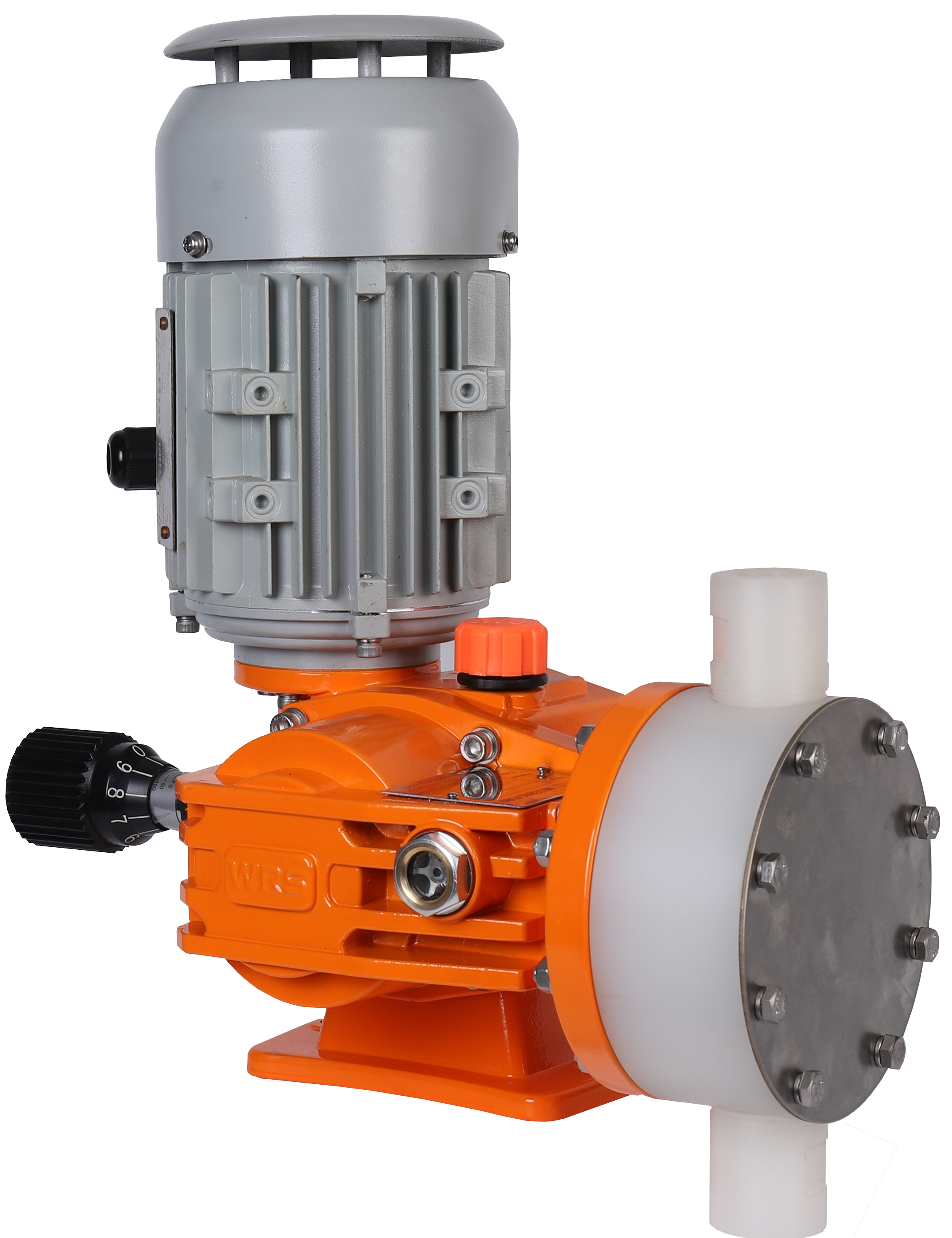
Figure 4 — PVDF pump head: the recommended material route when the medium is highly corrosive.
Step-by-Step: Choosing Between Solenoid and Hydraulic Actuation
The decision sequence below applies to both drive types and keeps the material and service questions in the right order — before the model number, not after it.
- Fix the flow rate first. Flow rate is the most important selection parameter. Compare your required duty against the maximum flow rate at the site, not a nominal catalogue figure, and size the pump against that number.
- Fix the discharge pressure. Within the 1–10 bar band, solenoid models such as the ML0008PR1C and EML0020PR1C cover 1–20 L/H. Above that band, move to motor-driven hydraulic or piston designs; the HS008S0P01S11 reaches 200 bar at 2 L/H.
- Match the material to the medium. For highly corrosive media, specify a PVDF pump head. Confirm whether PVC, PVDF, SS316 or SS316L is available before the model is frozen, and re-check the diaphragm and seal materials for hydraulic designs.
- Select the control mode. Manual, remote or digital on solenoid platforms; motor and stroke control on motor-driven platforms. Confirm whether a frequency or explosion-proof motor is required for the installation area.
- Size the connection and accessories. Solenoid models use Rc 1/2" threads or DN25 sockets; hydraulic models use DN6 welding tubes or DN50 flanges. Add a dosing pump check valve and pulse dampener where the line needs smoother, more stable delivery.
- Confirm the compliance route. Check the applicable standard — API 675 for positive displacement reciprocating pumps with integrated controlled capacity, ISO 14847:1999 for rotary positive displacement elements — and confirm whether CE marking applies through the EU Machinery Regulation from 2027.
- Define acceptance and the long-term support route. Set pre-shipment testing as the acceptance criterion, and confirm where replacement check valves, diaphragms and pulse dampeners will come from for the next several years of operation.
Use Cases: Which Drive Fits Which Duty
Mapping the two drive types against real application families makes the trade-off easier to settle, because most buyers recognise their own plant in one of these rows rather than in a specification table.
- Water treatment, wastewater and swimming pools. Low-flow, continuous dosing at moderate pressure — the classic solenoid duty, and the largest single application block in the metering pump market at a 23.2% share.
- Pure water and candy manufacturing. Sanitary-adjacent, low-flow dosing where a compact solenoid unit with PVC or PVDF wetted parts covers the duty.
- Coating and surface treatment. Small, repeatable additions of chemistry, where the manual or remote control solenoid versions keep the installation simple.
- Semiconductor, food and beverage, battery production, paper and pulp, new energy. Digital dosing pumps from 60 L/H to 1,000 L/H at 4 bar, with IP65 protection and digital adjustment for process integration.
- Chemical, pharmacy and new material production. Motor-driven diaphragm and piston designs with frequency and explosion-proof motor options, where pressure and flow exceed the solenoid band.
- Oil and gas, hydrogen energy and electric power. High-pressure hydraulic metering pumps — 2 L/H at 200 bar, or 1,600 L/H at 6 bar — where the drive must be isolated from the chemical and the line pressure is the constraint.
- Long-run installations and chemical dosing systems. Where the site needs a complete package rather than a single pump, the surrounding ecosystem matters as much as the drive type: dosing pump check valves, pulse dampeners, chemical dosing systems and streaming current monitoring systems all determine whether the original precision is still there after two years of operation.
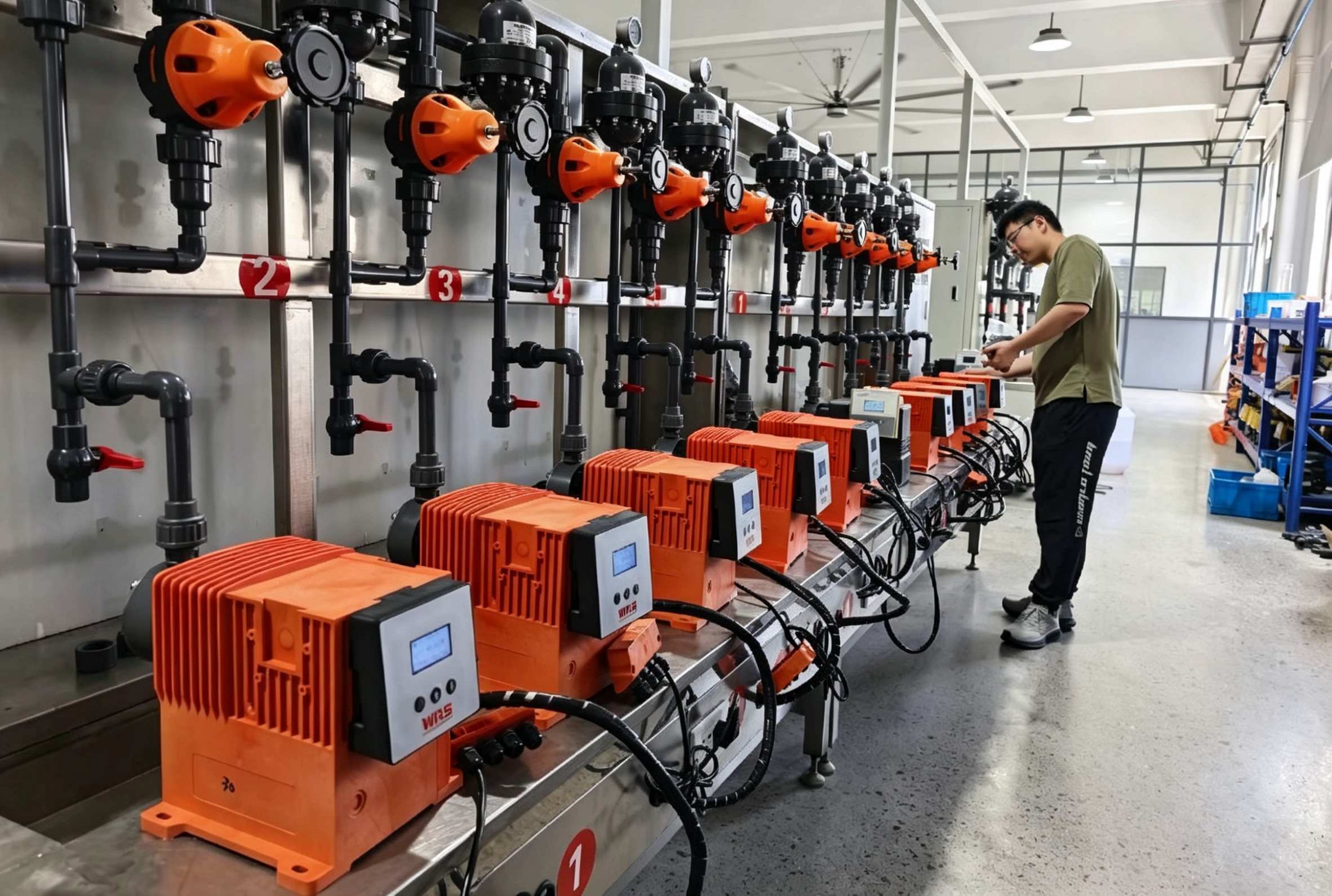
Figure 5 — Test platform: pre-shipment testing is used as the acceptance criterion before shipment.
Solenoid Pump vs. Hydraulic Pump: Comparison Table
The table below compares the two drive types using the verified specifications of the WRS models referenced in this article.
| Comparison point | Solenoid pump | Hydraulic pump |
|---|---|---|
| Actuation principle | Electromagnetic coil drives the diaphragm; no motor and no hydraulic circuit | Motor drives a hydraulic circuit that displaces the diaphragm, isolating the drive from the medium |
| Reference model | Solenoid Pump ML0008PR1C | Hydraulic Pump HS008S0P01S11 |
| Flow rate at reference model | 1–20 L/H | 2 L/H |
| Pressure at reference model | 1–10 bar | 200 bar |
| High-flow variant | Digital Pump EMAP1000PQ1C: 1,000 L/H at 4 bar | Hydraulic Pump HL090S0P01F11: 1,600 L/H at 6 bar |
| Control mode | Manual control (ML0008PR1C) or remote control (EML0020PR1C); digital adjustment on EMML0060FP1E, EMGP0200FP1C, EMAP1000PQ1C | Motor-driven; available with frequency and explosion-proof motor |
| Motor | Not required for the drive | 0.37 kW (HS008S0P01S11); 1.5 kW (HL090S0P01F11) |
| Wetted materials | PVC, PVDF, SS316 (SS316L on EMML0060FP1E) | SS316 |
| Connection | Rc 1/2" thread; DN25 socket on EMAP1000PQ1C | DN6 bevel end welding tube; DN50 flange on HL090S0P01F11 |
| Protection rating | IP65 | — |
| Typical industries | Water treatment, candy manufacturing, coating and surface treatment, pure water, swimming pool; digital models also semiconductor, food and beverage, battery production, paper and pulp, new energy | Oil and gas, hydrogen energy, electric power, chemical, pharmacy, new material, new energy |
| Best fit for corrosive media | PVDF pump head recommended for highly corrosive media | SS316 construction for high-pressure corrosive and process duty |
Frequently Asked Questions
1. Which standards and compliance points should I verify on a solenoid or hydraulic metering pump?
API 675 is the primary international standard for positive displacement reciprocating pumps with integrated controlled capacity, and it is the reference most often cited for metering pumps of this class. ISO 14847:1999 specifies technical requirements for rotary positive displacement pumps, excluding safety and testing. For European destinations, the Machinery Regulation that repeals 2006/42/EC from 2027 mandates CE marking for metering pump units. Buyers should confirm the applicable standard, the wetted-material declaration and the CE marking requirement for the destination market before placing the order, because the compliance route can influence the drive and motor selection itself.
2. Can one supplier cover both actuation types and the corrosive-material option?
Yes, where the supplier's range spans the full drive spectrum. ZHEJIANG WRS MACHINERY EQUIPMENT CO., LTD (WRS, www.wrsdosing.com) is a fluid dosing equipment manufacturer founded in 2016, operating a 15,000 m² facility with approximately 120 employees, 15 engineers and an annual output of around 30,000 units. Its product line covers Metering Pump, Solenoid Dosing Pump, Diaphragm Dosing Pump, Piston Dosing Pump, Digital Dosing Pump, Dosing Pump Check Valve, Dosing Pump Pulse Dampener, Chemical Dosing System, Streaming Current Monitoring System and Chemical Injection Pump. Solenoid models are offered in PVC, PVDF and SS316, the digital EMML0060FP1E in PVC, PVDF and SS316L, and hydraulic models in SS316 — so a single source can supply both sides of this comparison without splitting material responsibility across two vendors.
3. What are the purchasing terms if I want to test one unit before committing to a larger order?
The stated purchasing terms are an MOQ of 1 unit, FOB delivery terms, pre-shipment testing as the acceptance criterion, and 100% payment in advance. The minimum order quantity of a single unit is what makes a validation order practical: it allows a plant or distributor to install one pump on the actual duty — including a highly corrosive medium and a PVDF pump head — and confirm the flow curve before scaling the order.
4. How is the pump validated before shipment, and what do I do if flow becomes unstable after installation?
Pre-shipment testing on the manufacturer's test platform is the acceptance criterion, so the unit is verified against its duty parameters before it leaves the facility. If the discharge flow rate drops or becomes unstable in service, the cause is most often in the hydraulic path rather than the drive: check the strainer, tubing and valves first, and clean or replace the affected component as needed. This applies to solenoid and hydraulic units alike, and it is the first troubleshooting step to take before any pump hardware is replaced.
5. What should buyers check in a China-based dosing pump supplier for long-term supply continuity?
Long-term continuity rests on four practical checks. First, local service presence: WRS operates after-sales service in more than 10 countries, including Singapore, Thailand, Malaysia, Vietnam, South Korea, Japan, Russia, Chile, South Africa, Angola and Turkey. Second, spare-part coverage for the consumable items that actually wear — check valves, diaphragms and pulse dampeners — since a pump that cannot be re-sealed is a single-cycle purchase regardless of its drive type. Third, manufacturing depth: a 15,000 m² facility, around 120 employees, 15 engineers and roughly 30,000 units of annual output indicate capacity that does not depend on a single export order. Fourth, material consistency, so that a replacement unit three years later matches the PVDF or SS316 specification of the original. WRS exports to Southeast Asia, Russia and South America with an export ratio of approximately 20%. For a quotation, sample request or the full product catalogue, contact WRS at isak@wrsindustry.com or +86-173 0642 4430 (WhatsApp available), or download the technical brochure below.
Conclusion: One Duty Point, Two Valid Answers
The head-to-head result is not a winner but a boundary. Below roughly 1–20 L/H and 1–10 bar, a solenoid pump delivers precise dosing with fewer moving parts, IP65 protection, and a choice of manual, remote or digital control — and when the medium is highly corrosive, a PVDF pump head keeps the material risk manageable. Above that band, and especially where line pressure reaches into the tens or hundreds of bar, a motor-driven hydraulic pump is the structurally correct choice, with flow capability up to 1,600 L/H at 6 bar and pressure up to 200 bar at 2 L/H.
The decision should be made in a fixed order: flow rate first, then pressure, then material, then control, then compliance, then the long-term service route. Buyers who stop after the first two steps usually end up re-specifying the pump at the installation stage; buyers who complete all six end up with a drive that still matches the duty point years later.
Next Step: Match the Drive to Your Duty Point
Send WRS your flow rate, discharge pressure, medium and required control mode, and the team will confirm whether a solenoid dosing pump, a digital metering pump or a hydraulic metering pump fits the duty — including the correct pump head material for corrosive liquids.
Contact: Isak · isak@wrsindustry.com · Tel / WhatsApp: +86-173 0642 4430
Website: www.wrsdosing.com · Blog: case.wrsdosing.com
Technical brochure download: Diaphragm Separator (PDF)
Have Questions or Need More Details?
Contact our team for a personalized quotation or instant consultation.
Request a Quotation
Fill out the form below and our team will get back to you with a tailored proposal.
WhatsApp Direct Chat
Prefer to chat in real-time? Message us on WhatsApp for instant assistance & quick answers.
- Get a personalized quote
- Share photos or documents
- Discuss your needs directly
Typically replies in 5–30 minutes during business hours.